What Does COSMOS Certification Actually Mean? COSMOS Organic vs. COSMOS Natural, Explained
COSMOS Organic and COSMOS Natural are two of the most-cited labels in clean beauty — and two of the least understood. Here's what each one actually requires, how they differ, and how to tell a genuine certification from a marketing claim.
You've likely seen "COSMOS Organic" or "COSMOS Natural" on a skincare label, usually in small type beneath a green logo. Unlike "natural," "clean," or "botanical" — none of which have a legal definition in cosmetics — COSMOS is an audited, third-party standard with specific requirements a formula has to meet before a brand is allowed to use the name.
That distinction matters, because the beauty aisle is full of language that sounds regulated but isn't. Understanding what COSMOS actually verifies, how the Organic and Natural signatures differ from each other, and how to confirm a certification is genuine can help you read a label with real information instead of a vibe.
What Is COSMOS Certification?
COSMOS certification is a third-party audited standard for organic and natural cosmetics, covering how ingredients are sourced, processed, manufactured, and packaged — not just whether a formula contains natural ingredients.
The standard was developed jointly by five European organic-certification organizations — Ecocert and Cosmebio in France, the Soil Association in the UK, BDIH in Germany, and ICEA in Italy — who unified their individual national standards into one shared framework so that "organic" and "natural" would mean the same thing across borders.1 A brand doesn't self-certify: an authorized certification body audits the ingredient supply chain, the finished formula, and the manufacturing site before a product can carry a COSMOS signature, and certification is reviewed on an ongoing basis to remain valid.1
COSMOS evaluates a formula across four areas:
- Ingredient origin — what proportion of the formula is naturally or organically derived, and how those ingredients were grown or sourced
- Processing methods — which manufacturing and chemical processes are permitted to transform a raw botanical into a usable cosmetic ingredient
- Finished-product manufacturing — how the product itself is produced, handled, and preserved
- Environmental and packaging practices — sourcing, recyclability, and the environmental footprint of production2
Because it addresses the entire formulation and supply chain rather than a single ingredient, COSMOS certification is generally considered a more rigorous marker than an individual "natural extract" claim on a label.
COSMOS Organic vs. COSMOS Natural: What's the Difference?
COSMOS Natural and COSMOS Organic meet the same sourcing, processing, and manufacturing requirements. The difference is organic content: COSMOS Organic requires a minimum percentage of the formula to come from certified-organic agriculture; COSMOS Natural does not.
This is the distinction most shoppers miss, because both signatures look similar on a label and both represent real, audited standards — neither one is a "lesser" or unregulated claim.
Under the current COSMOS-standard, COSMOS Organic requires that at least 20% of the total formula (or 10% for rinse-off products and products with a high mineral content) come from certified-organic agriculture, and that at least 95% of the physically processed agricultural ingredients in the formula be organic.3 COSMOS Natural requires a formula to meet every other sourcing, processing, and manufacturing standard in COSMOS — natural origin, permitted processing methods, prohibited ingredients — without a defined minimum organic-content threshold.3
In practice, that means a COSMOS Natural product isn't a "watered-down" organic product — it's a fully audited natural formula that simply doesn't rely primarily on certified-organic-grown raw materials, which is often a formulation choice rather than a quality gap. Water- or mineral-rich formulas (like toners or clay masks) frequently carry the Natural signature for this reason, since water itself can never be certified organic.
Organic Content, In Context
| COSMOS Natural | COSMOS Organic | Uncertified "natural" claim | |
|---|---|---|---|
| Third-party audited | Yes | Yes | No |
| Minimum natural-origin content | Required (near-total) | Required (near-total) | Not defined |
| Minimum certified-organic content | Not required | 20% of formula (10% for rinse-off / high-mineral products) | Not defined |
| Prohibited ingredients (parabens, PEGs, synthetic fragrance, etc.) | Enforced | Enforced | Self-declared, unverified |
| Manufacturing & packaging standards | Audited | Audited | Not applicable |
| Certification renewed | Annually | Annually | Not applicable |
Sources: COSMOS-standard, ICEA (COSMOS-authorized certification body).
Why "Natural" on a Label Isn't the Same as "Certified"
"Natural" is not a regulated term in most markets, which means any brand can use it regardless of formulation. A product can legitimately contain botanical extracts and still fall well short of what COSMOS requires, because the standard isn't only about whether an ingredient came from a plant — it's about how that ingredient was grown, processed, and combined with everything else in the formula.
This is also where certification and formulation philosophy meet. A single fashionable botanical in an ingredient list doesn't tell you much about how a product will actually perform or how responsibly it was made; concentration, sourcing, processing method, and how that ingredient behaves alongside the rest of the formula matter just as much as its presence. COSMOS certification doesn't replace good formulation — but it does verify that the sourcing and processing claims behind a "natural" or "organic" product are real, audited, and consistent, rather than a phrase chosen for the label.
It's also worth noting that natural and organic aren't automatically synonymous with "gentler" or "better for every skin type." COSMOS certification is a sourcing and manufacturing standard, not a guarantee of how any individual person's skin will respond to a formula — that still comes down to the specific ingredients, concentrations, and how a formula is built as a whole.
How to Verify a COSMOS Certification
Look for the specific COSMOS Organic or COSMOS Natural signature beneath the certifying body's logo — not just the word "natural" or "organic" in a product description. A few practical checks:
- Look for the logo, not just the language. "COSMOS-inspired," "formulated to organic standards," or similar phrasing is not the same as certification. The COSMOS Organic or COSMOS Natural signature should appear on the product or its packaging.
- Note which certifier issued it. COSMOS-authorized certification bodies include Ecocert, Cosmebio, the Soil Association, BDIH, and ICEA, among others. The certifying body's name typically appears alongside the COSMOS signature.
- Understand it can apply brand-wide or formula-by-formula. A brand can be certified as a whole (a "brand owner" certification), while individual products within that brand's range may separately carry either the Natural or Organic signature depending on their specific ingredient composition.
- Remember certification is renewed, not permanent. COSMOS certification is reassessed on an ongoing basis, so a genuinely certified product's status can be periodically re-verified rather than granted once and never revisited.

How Rachel Perry Approaches COSMOS Certification
Rachel Perry is certified by Ecocert as a COSMOS brand owner, with individual formulas across the collection independently carrying either the COSMOS Natural or COSMOS Organic signature depending on that product's specific ingredient composition. In practice, this means the sourcing and processing standards described above aren't a marketing reference point — they're the framework every Rachel Perry formula is built against from the start, alongside European Annex II compliance, which excludes more than 1,600 ingredients considered potentially harmful.
Because the Organic signature depends on organic-content thresholds that vary naturally by formula type — a water-based toner and an oil-based serum simply aren't built the same way — Rachel Perry's collection carries a mix of both signatures rather than one blanket label:
| Product | COSMOS Signature |
|---|---|
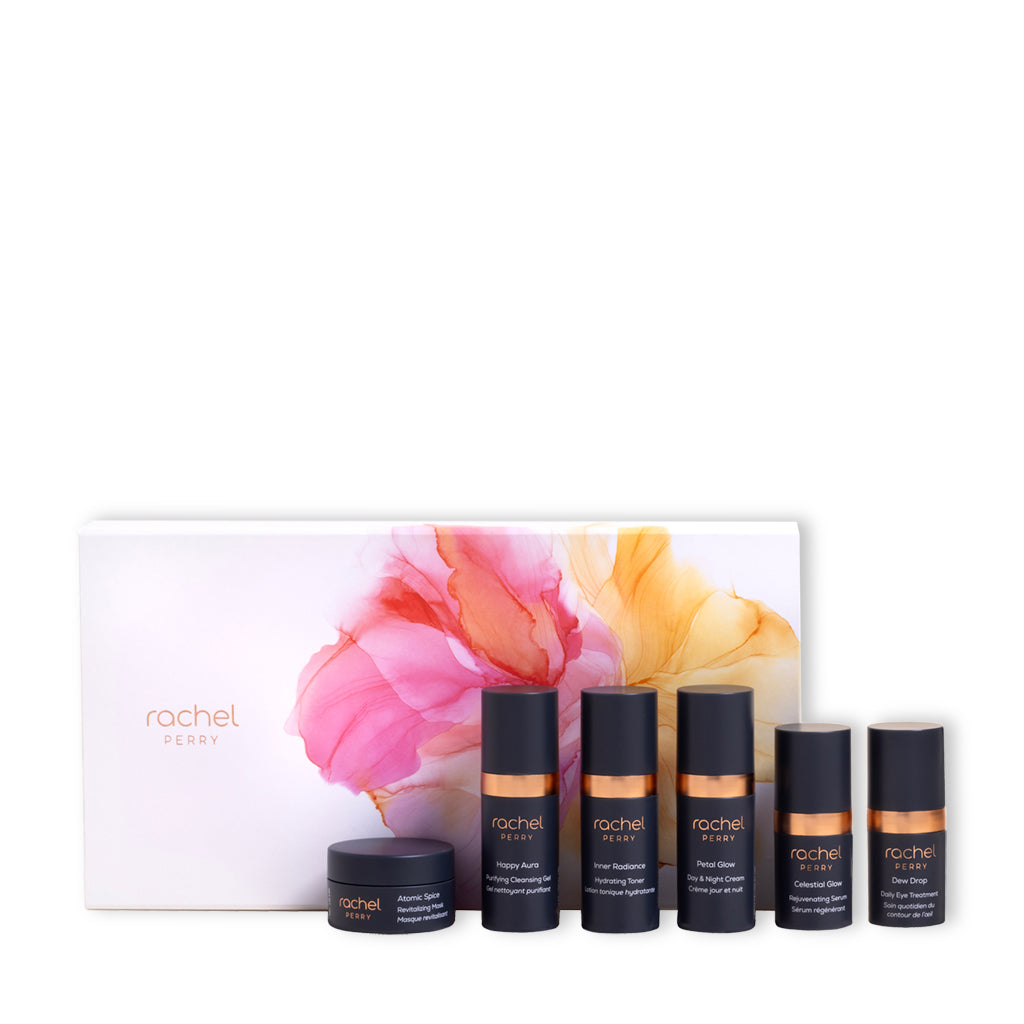
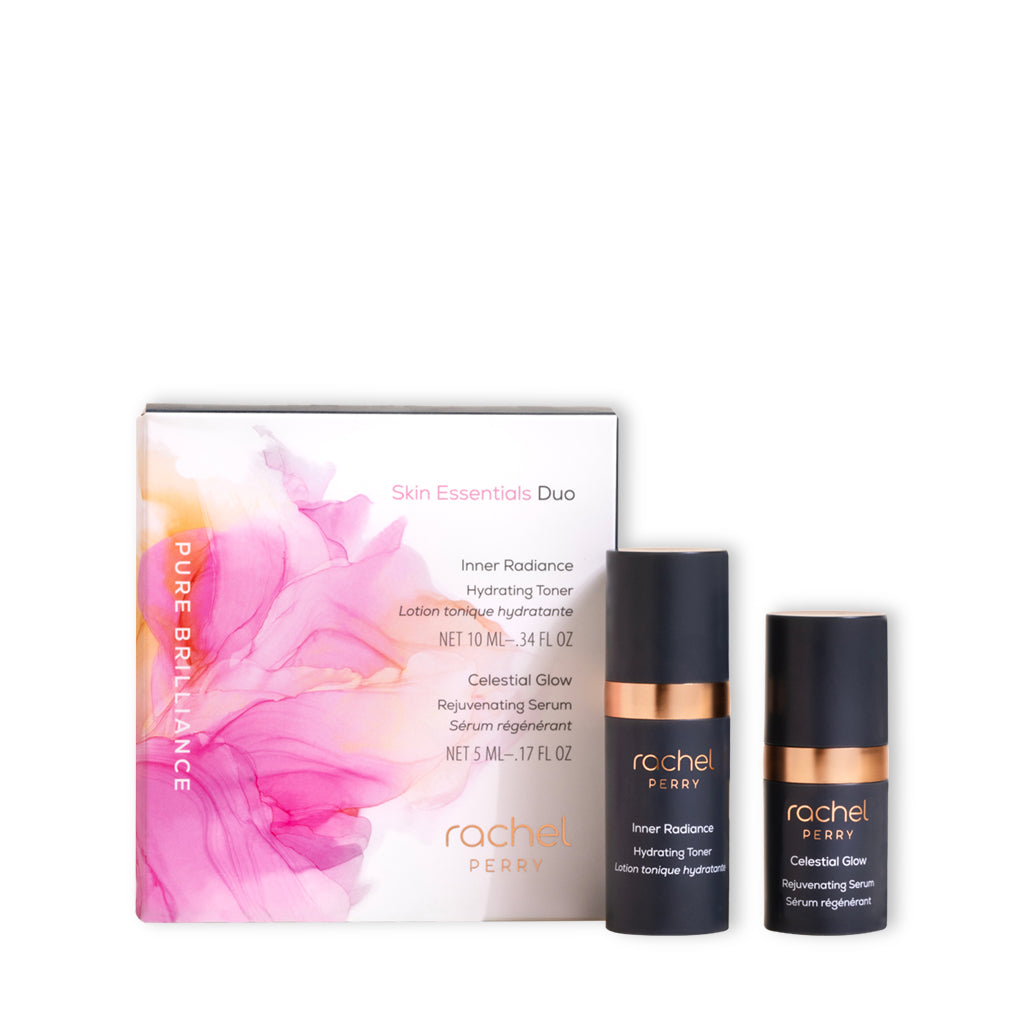
| Inner Radiance – Hydrating Toner | COSMOS Natural |
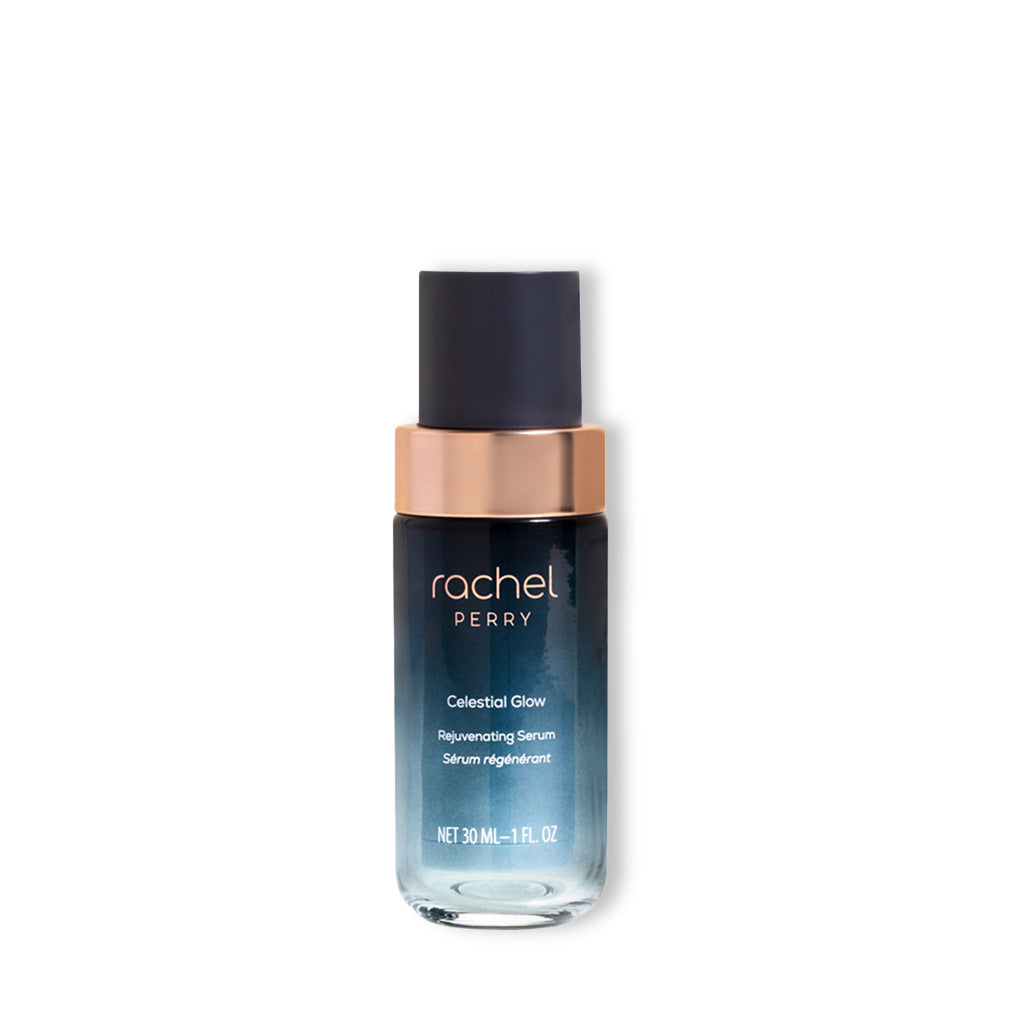
| Celestial Glow – Rejuvenating Serum | COSMOS Organic |
| Dew Drop – Daily Eye Treatment | COSMOS Natural |
| Happy Aura – Purifying Cleansing Gel | COSMOS Organic |
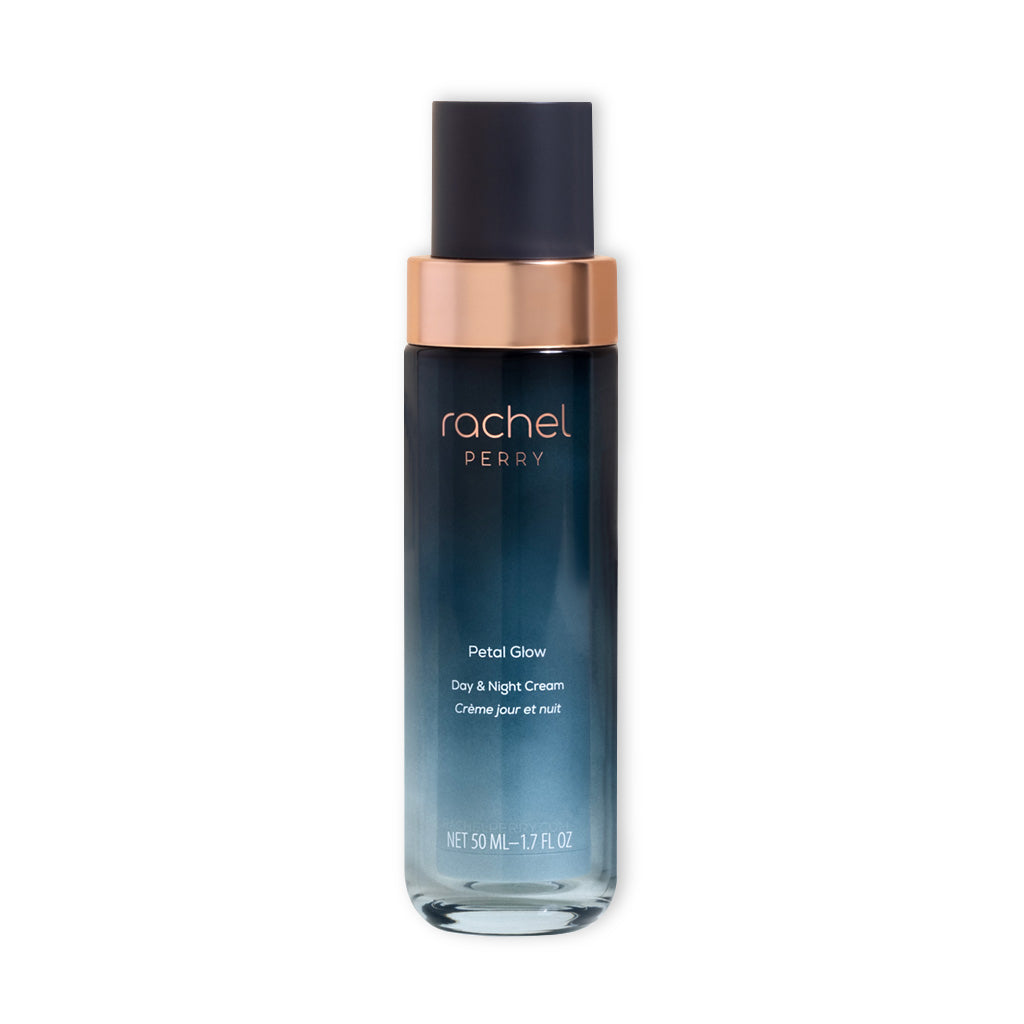
| Petal Glow – Day & Night Cream | COSMOS Organic |
| Pure Sunshine – Soft-Touch Cleansing Oil | COSMOS Natural |
| Atomic Spice – Revitalizing Mask | Certification in progress |
This is also where formulation philosophy and certification meet in practice. Botanicals like holy basil and pomegranate seed extract are chosen for what they contribute to a formula, but how they're sourced, processed, and combined with the rest of each product is what the COSMOS audit actually evaluates — which is consistent with a broader formulation approach that treats ingredient quality as one part of a larger, tested formula rather than the whole story.
You can see the full breakdown of how this shows up across sourcing, packaging, and the brand's 11 Lights Foundation giving-back model on the Sustainability page.
What This Means the Next Time You Read a Label
COSMOS Organic and COSMOS Natural aren't marketing flourishes — they're the result of an external audit a brand has to pass and keep passing. Knowing the difference between the two, and knowing how to tell a genuine signature from a "natural-sounding" claim, turns a label from a guess into a piece of verifiable information. That's a more useful way to evaluate skincare than any single ingredient name ever will be.

Discover COSMOS Certified Skincare
Explore Rachel Perry's COSMOS Natural and COSMOS Organic certified formulas, made in France with thoughtfully selected natural and organic ingredients.
Explore COSMOS Certified Skincare →
Frequently Asked Questions
Is COSMOS Organic "better" than COSMOS Natural?
Not necessarily — both are fully audited standards covering the same sourcing, processing, and manufacturing requirements. The difference is that COSMOS Organic additionally requires a minimum percentage of certified-organic content, while COSMOS Natural does not. A water-based toner carrying the Natural signature isn't a lesser product than an oil-based serum carrying the Organic signature; the appropriate signature often depends on the type of formula.
Does a product need to say "organic" to actually contain organic ingredients?
Not always, and this is part of why certification matters. A COSMOS Natural product can still contain certified-organic ingredients — it simply isn't required to meet the minimum organic-content threshold that triggers the Organic signature specifically.
Is COSMOS certification the same as USDA Organic?
No. COSMOS is a European cosmetics-specific standard developed by certification bodies including Ecocert, Cosmebio, the Soil Association, BDIH, and ICEA. USDA Organic is a U.S. agricultural standard primarily applied to food, though it's sometimes used for cosmetic products with sufficient agricultural content. The two standards have different criteria and are issued by different bodies.
Who actually certifies COSMOS products?
COSMOS-authorized certification bodies — including Ecocert, Cosmebio, the Soil Association, BDIH, and ICEA — conduct the audits. Brands cannot self-certify; the standard is enforced by these independent third parties.
Does COSMOS certification mean a product won't cause a reaction?
No certification, including COSMOS, can guarantee that. It verifies sourcing, ingredient origin, and manufacturing standards — not individual skin compatibility. Anyone with known sensitivities should still patch-test new products regardless of certification status.
References
- COSMOS-standard AISBL. “COSMOS Certification.” cosmos-standard.org
- COSMOS-standard AISBL. “About the COSMOS-standard.” cosmos-standard.org
- ICEA. “COSMOS Organic and Natural Certification.” icea.bio