Best Natural Toner for Face: What to Look For in a Hydrating Toner
Looking for the best natural toner for your face? Learn what a modern hydrating toner does, which botanical and moisture-supporting ingredients to look for, and how to choose a formula that leaves skin feeling fresh, comfortable, and hydrated—not stripped.
Toner Has Changed
If the word toner makes you think of an astringent liquid that leaves your face feeling tight and squeaky clean, it may be time for a reintroduction.
Modern face toners can look very different from the formulas many of us grew up with. Rather than focusing solely on removing oil or creating that unmistakable “tight” feeling, today’s hydrating toners can deliver an additional layer of moisture while introducing humectants, botanical extracts, antioxidants, and other skin-supporting ingredients into your routine.
For anyone with dry, dehydrated, mature, or simply moisture-seeking skin, that distinction matters.
The best natural toner for your face isn’t necessarily the one that makes your skin feel the cleanest. After cleansing, your skin should already be clean. Instead, a thoughtfully formulated toner can help replenish hydration, refresh the complexion, and prepare the skin for the serum and moisturizer that follow.
As with almost everything in skincare, however, the word toner tells you far less than the formula itself.
What Does Face Toner Actually Do?
A face toner is a lightweight skincare product typically applied after cleansing and before serums and moisturizers. What it does depends on how it is formulated.
Some toners are designed primarily to remove excess surface oil. Others focus on exfoliation. And increasingly, modern toners are formulated to provide hydration and deliver beneficial skincare ingredients in a lightweight layer.
A hydrating toner may help:
-
Replenish moisture after cleansing
-
Leave skin feeling softer and more comfortable
-
Deliver humectants and botanical ingredients
-
Refresh the complexion without relying on an astringent feel
-
Add another lightweight layer of hydration to the routine
-
Prepare the skin for the products that follow
That last point is sometimes misunderstood. Toner isn’t required to “open the pores”—pores do not literally open and close. Nor should a good toner need to make your face sting or feel tight in order to be effective.
Instead, think of a hydrating toner as a transitional step between cleansing and treatment: one that can help move your skin from freshly cleansed to hydrated, comfortable, and ready for the rest of your ritual.

Hydrating Toner vs. Astringent Toner: What’s the Difference?
Although the terms are sometimes used interchangeably, hydrating toners and astringent toners are generally designed with different priorities.
Astringent formulas traditionally focus more heavily on reducing excess surface oil and creating a mattifying effect. Hydrating toners, by contrast, prioritize replenishing moisture and supporting a comfortable skin feel.
| Hydrating Toner | Astringent Toner | |
|---|---|---|
| Primary purpose | Replenish hydration and refresh | Reduce excess surface oil |
| Skin feel | Soft, comfortable and supple | Often more mattifying or astringent |
| Common ingredients | Humectants, botanical waters and hydrating extracts | Astringent ingredients, sometimes including alcohol or witch hazel |
| Often suited to | Dry, dehydrated, mature, normal or combination skin | Oilier skin, depending on the individual formula |
Importantly, astringent does not automatically mean bad, just as natural does not automatically mean gentle.
Your skin type, the complete ingredient list, concentrations, pH, and overall formulation all influence how a toner performs. Someone seeking a natural toner for dry skin will likely prioritize very different qualities than someone looking primarily to manage excess surface oil.
What Makes a Good Natural Face Toner?
“Natural” is only one consideration when choosing skincare.
A beautifully sourced botanical ingredient cannot compensate for a poorly balanced formula, just as a long ingredient list doesn’t automatically make a product more effective. When evaluating a natural face toner, it’s more useful to look at what the entire formulation is designed to accomplish.
1. Hydrating Ingredients
For a hydrating toner, moisture-supporting ingredients should be central to the formula.
Humectants are particularly useful because they attract water and help increase hydration in the outer layers of the skin. Hyaluronic acid is one of the best-known examples and has been extensively studied for its ability to support skin hydration.
Glycerin is another widely used humectant that helps attract and retain moisture.
For dry or dehydrated skin, ingredients like these can help a toner do more than simply refresh the complexion.
2. Antioxidant-Rich Botanicals
Plants naturally contain a remarkable variety of antioxidant compounds, including polyphenols and flavonoids.
In skincare, antioxidant-rich botanical extracts can help support the skin as it encounters everyday environmental stressors. They don't replace sunscreen or the skin’s own natural defenses, but they can complement a thoughtful routine focused on maintaining healthy-looking, resilient skin.
If you’re curious about the science behind antioxidants, explore our guide to what free radicals are and how antioxidants help protect your skin.
3. Botanical Waters
Water is the foundation of many toner formulations, but some botanical toners also incorporate floral or fruit-derived waters.
These ingredients can contribute to the overall botanical character and sensorial experience of the formula while complementing other hydrating and skin-supporting ingredients. Their presence alone doesn't determine whether a toner is “better.” What matters is how the botanical water functions within the finished formulation.
4. Ingredients That Support Skin Comfort
Hydration isn't simply about adding water to the skin. A well-considered routine should also respect the skin’s protective barrier, which plays an essential role in retaining that moisture.
Botanicals such as houseleek, along with thoughtfully selected humectants and complementary ingredients, can be particularly useful in formulas designed around hydration and skin comfort.
A healthy skin barrier helps reduce unnecessary moisture loss and keeps skin feeling comfortable and resilient. For a deeper look at this essential function, read our guide to understanding the skin barrier.
5. A Thoughtfully Balanced Formula
One of the easiest traps in skincare is choosing a product because it contains one fashionable “hero ingredient.”
But skincare formulas are systems.
The amount of an ingredient, the pH of the finished product, ingredient compatibility, preservation, texture, and the way multiple ingredients interact all influence the experience and performance of a toner.
Rather than asking only, Does this toner contain hyaluronic acid? consider asking:
What has this entire formula been designed to do for my skin?
That question is often far more useful.

The Role of Botanicals in a Hydrating Toner
Hydration may be the primary goal of a hydrating toner, but thoughtfully selected botanical ingredients can bring additional benefits to the formula.
While humectants such as hyaluronic acid are commonly used to help attract and retain moisture, botanical extracts can complement that hydration with antioxidant compounds and other skin-supporting properties. The specific botanicals will vary from formula to formula—and some are far less common than others.
Here are a few of the ingredients found in Rachel Perry's approach to botanical hydration, and the roles they can play within a well-formulated toner.
| Ingredient | Benefits |
|---|---|
| Hyaluronic Acid | Helps attract and retain hydration |
| Houseleek | Supports hydration, skin comfort and resilience |
| Holy Basil (Tulsi) | Provides antioxidant-rich botanical compounds |
| Caper Extract | Provides flavonoids and antioxidant support |
| Orange Water | Botanical water that complements the formula and sensorial experience |
Hyaluronic Acid: A Hydration Essential
Hyaluronic acid is a naturally occurring molecule found throughout the body, including in the skin. In topical skincare, it is valued primarily as a humectant—an ingredient that attracts and holds water.
Research has supported the use of topical hyaluronic acid for improving skin hydration, although its behavior can vary depending on molecular weight and how it is incorporated into the finished formula.
This is another reason to evaluate the product as a whole rather than choosing skincare based solely on the presence of one ingredient.
For toner in particular, hyaluronic acid makes intuitive sense: it can help turn a lightweight, water-based step into an opportunity to replenish hydration immediately after cleansing.

Houseleek: Hydration Meets Botanical Resilience
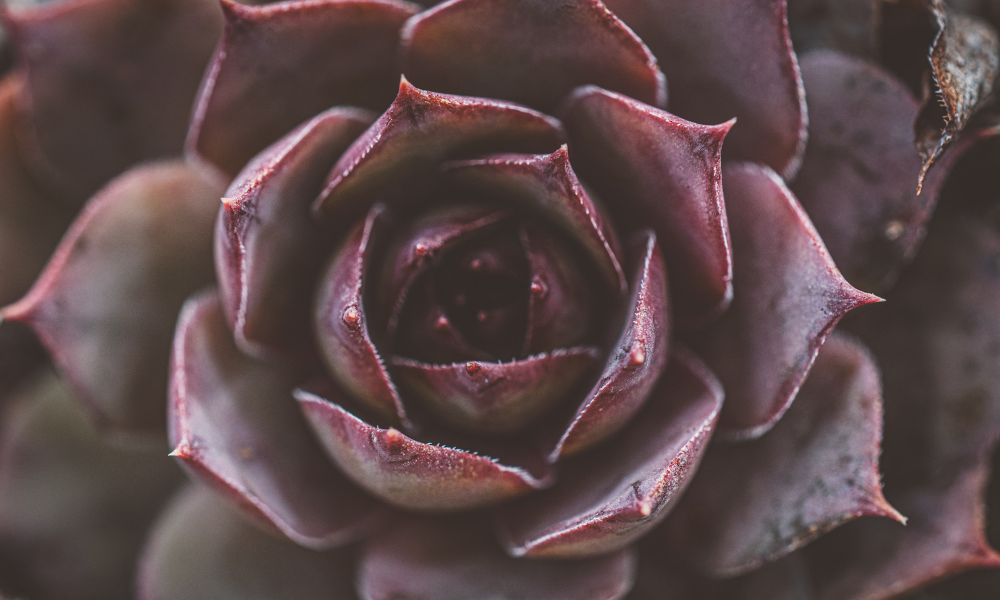
Houseleek (Sempervivum tectorum) is a hardy succulent known for its thick, water-rich leaves and remarkable ability to thrive in challenging environments.
Its composition includes hydrating polysaccharides and antioxidant-rich flavonoids, making it particularly interesting for skincare formulas centered around moisture and resilience.
In a hydrating toner, houseleek can complement humectants and other botanical ingredients to support skin that feels comfortable and replenished.
Learn more in our guide to the skincare benefits of houseleek.

Holy Basil (Tulsi): Antioxidant-Rich Botanical Support
Tulsi, also known as holy basil, has a long history of use in traditional wellness practices and is naturally rich in antioxidant compounds.
In modern skincare, it is valued for helping support the skin against everyday environmental stressors while complementing formulas intended to promote a calm, balanced-looking complexion.
Rather than viewing tulsi as a single-purpose “miracle” botanical, it is more useful to consider how its antioxidant profile works alongside hydrating and skin-supporting ingredients within a complete formulation.
Explore our ingredient spotlight on holy basil and its skincare benefits to learn more.

Caper Extract: A Flavonoid-Rich Botanical
Caper (Capparis spinosa) may be better known in the kitchen, but extracts from the plant have also found a place in botanical skincare.
Caper contains naturally occurring flavonoids and other antioxidant compounds. Within a well-formulated toner, it can complement other botanicals designed to support skin exposed to everyday environmental stressors.
As with other plant extracts, its value comes not from acting alone but from the role it plays within a thoughtfully constructed formula.

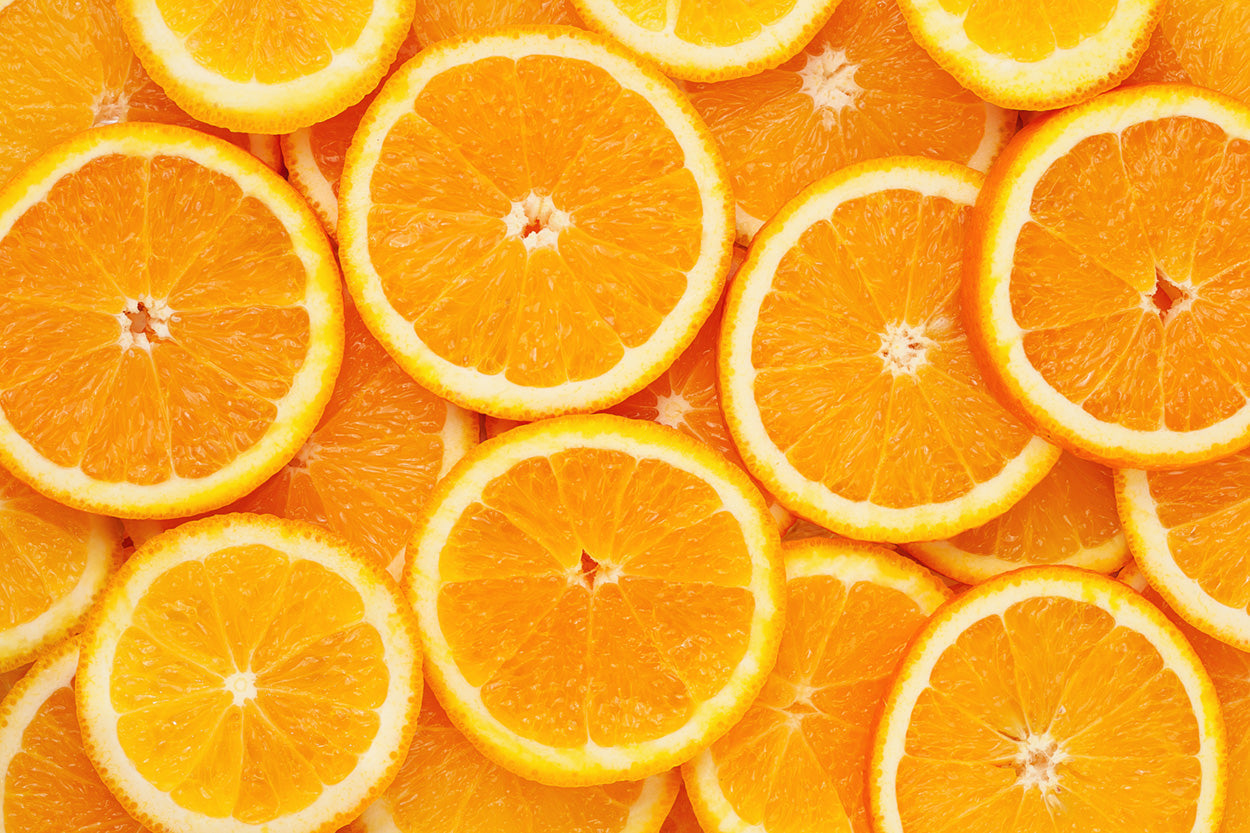
Orange Water: A Botanical Foundation
Orange-derived botanical water brings another dimension to a hydrating toner.
Rather than thinking of botanical water as an “active” responsible for transforming the skin on its own, it is better understood as part of the overall composition and sensorial identity of the formula.
In a well-balanced toner, it can complement humectants and plant extracts while contributing to the fresh, pleasurable experience of application—an aspect of skincare that shouldn't be underestimated.
After all, the best routine is one you actually enjoy using consistently.
How to Choose a Toner for Your Skin Type
The best toner for your face isn't necessarily the product with the longest ingredient list or the strongest sensation. It is the one formulated around what your skin actually needs.
Dry or Dehydrated Skin
If your skin feels tight, looks dull, or seems to drink up moisturizer quickly, look for a hydrating toner built around humectants and moisture-supporting ingredients.
Hyaluronic acid, glycerin, botanical waters, and hydrating plant extracts can all be useful components.
It is also worth distinguishing dry skin from dehydrated skin. Dry skin generally lacks oil, while dehydrated skin lacks water—and it is possible to experience both at the same time.
Mature Skin
As skin changes over time, maintaining hydration and supporting the skin barrier become increasingly important.
A hydrating toner can provide an additional lightweight layer of moisture while antioxidant-rich botanicals complement a routine focused on healthy aging and environmental protection.
Rather than looking for a toner that promises to “erase” signs of aging, consider formulas designed to support hydration, radiance, comfort, and resilience over time.
Sensitive Skin
Sensitive skin deserves a little extra attention when introducing any new product.
Look beyond labels such as “natural” or “clean” and consider the complete formula. Even botanical ingredients may not agree with every complexion.
If your skin is particularly reactive, introducing one new product at a time and patch testing beforehand can help you better understand how your skin responds.
Combination or Oily Skin
One of the most persistent skincare misconceptions is that oily skin doesn't need hydration.
Oil and water are not the same thing.
Skin can produce abundant sebum while still being dehydrated, which means a lightweight hydrating toner may still have a place in an oily or combination skincare routine.
The key is finding a texture and formulation that feels comfortable for your individual skin rather than assuming hydration will automatically make oily skin oilier.
Do You Really Need a Toner?
A toner isn't necessarily a must-have for every skincare routine, but the right formula can be a valuable addition depending on your skin's needs.
Modern toners can provide an extra layer of hydration, deliver beneficial botanical ingredients, and leave skin feeling refreshed and prepared for the products that follow.
For someone with dry or dehydrated skin, a hydrating toner may offer a welcome moisture boost immediately after cleansing. Someone with combination skin may appreciate the lightweight hydration. Others simply enjoy the sensorial ritual of pressing a fresh, botanical formula into the skin morning and evening.
Ultimately, whether you use toner comes down to your skin, your routine, and what you want that additional step to accomplish.
And that is an important distinction: you don't need to use toner simply because a skincare routine tells you to. It should earn its place in your ritual.
What a Natural Hydrating Toner Can Do for Your Skin
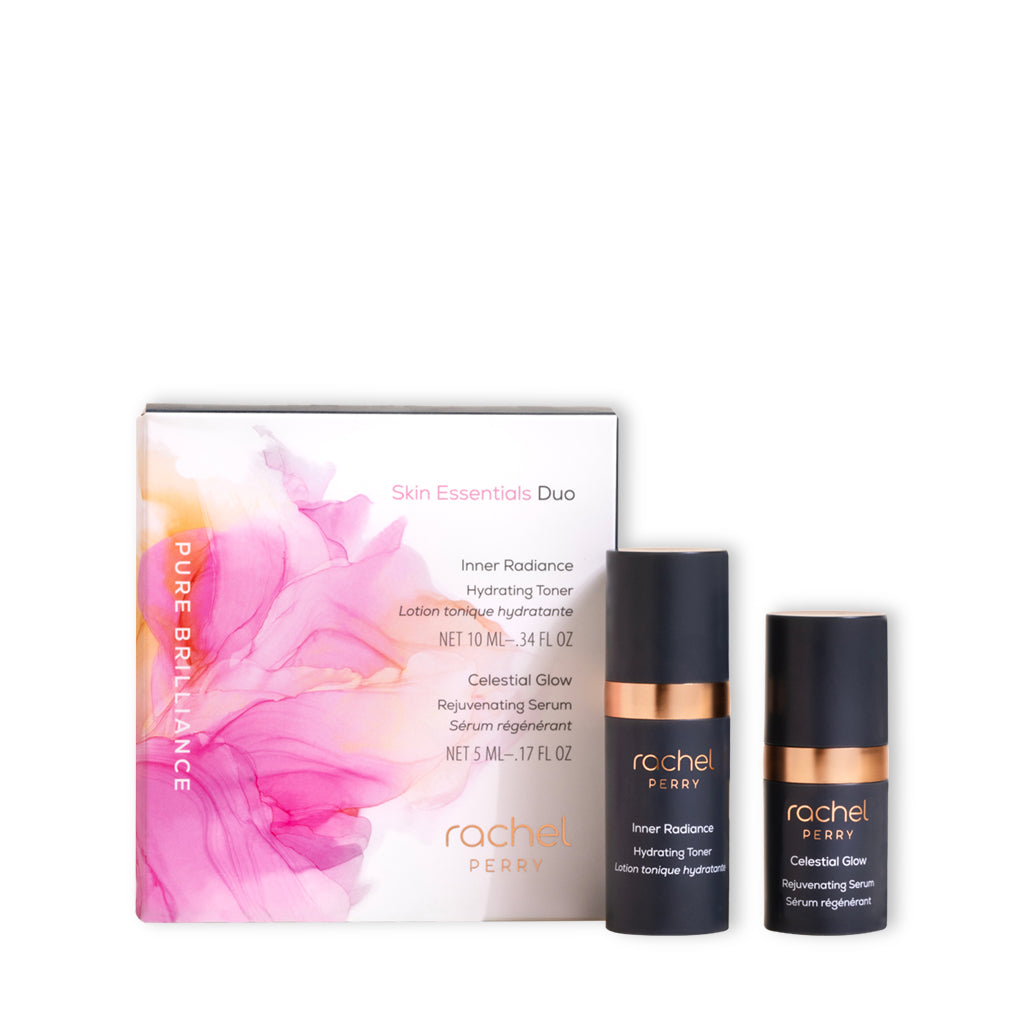
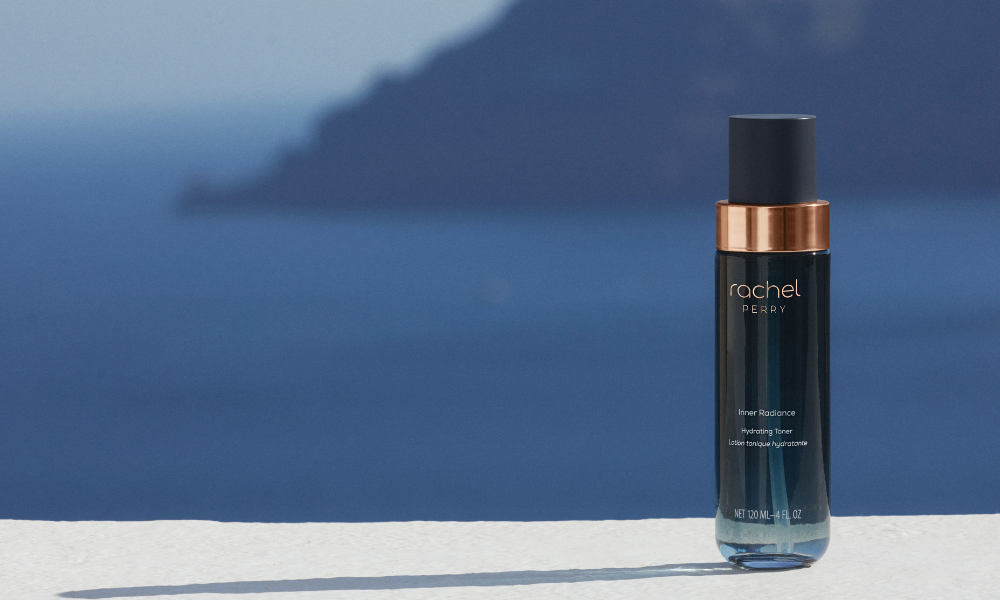
Rachel Perry's Inner Radiance Hydrating Toner offers an example of what a modern natural toner can look like when hydration—not astringency—is at the center of the formulation.
Developed in France, Inner Radiance moves away from the traditional idea of toner as a primarily astringent finishing step. Instead, the formula is designed around hydration and luminosity, combining hyaluronic acid with a selection of botanical ingredients including houseleek, holy basil, caper, and orange water.
The goal is not to leave skin feeling stripped or “squeaky clean,” but refreshed, comfortable, supple, and prepared for the skincare that follows.
That distinction is especially important because cleansing and toning serve different purposes. Your cleanser does the work of removing makeup, sunscreen, excess oil, and everyday impurities. A hydrating toner doesn't need to cleanse your skin all over again.
Instead, Inner Radiance adds a lightweight hydration step between cleansing and treatment, making it particularly well suited to a routine centered around maintaining moisture, radiance, and skin comfort.
Its formulation also reflects a broader Rachel Perry philosophy: skincare doesn't need to be aggressive to be high-performing. Every Rachel Perry formula is developed in France by cosmetic chemists with an emphasis on botanical ingredients, sensorial textures, and thoughtful formulation.
Putting the Finished Formula to the Test
Individual ingredients can tell us a great deal about a formula's intention, but ultimately, it's the performance of the finished product that matters.
Inner Radiance Hydrating Toner has been independently evaluated through third-party testing.
After 28 days of use, instrumental measurements showed statistically significant improvements in the appearance of radiance, wrinkles, dark spots, pores, and skin sagging.
Participants' own perceptions of their skin were: 95% reported an improvement in the overall appearance of their skin, while 85% said their skin felt more supple.
These results reinforce an important principle in skincare: rather than evaluating a toner by one ingredient alone, consider the complete formulation—and how those ingredients have been designed to perform together.

How to Use a Hydrating Toner
Toner is one of the simplest steps to incorporate into a routine.
After cleansing, apply your toner before serum, moisturizer, or facial oil.
A basic routine might look like:
Morning:
Cleanser → Hydrating Toner → Serum → Moisturizer → Broad-Spectrum SPF
Evening:
Cleanser → Hydrating Toner → Serum → Moisturizer
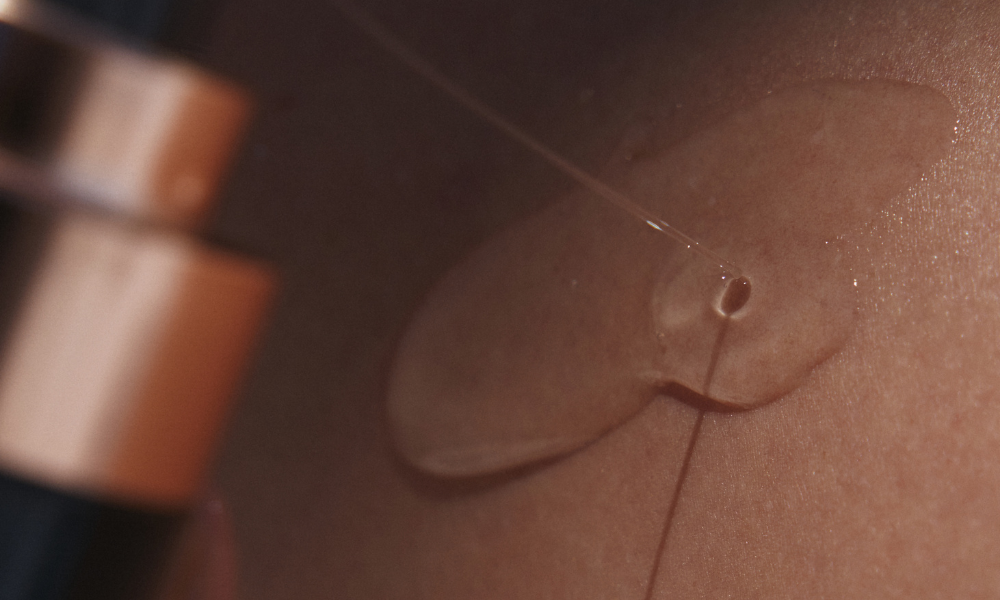
For Inner Radiance Hydrating Toner, the formula can be applied with either clean hands or a cotton pad, but Rachel Perry recommends dispensing it directly into the palms and gently pressing or patting it into the face and neck.
Why hands?
Applying toner this way allows the formula to go directly onto your skin rather than having some of the product absorbed into a cotton pad. It also reduces unnecessary product waste, eliminates the need for a disposable cotton round, and transforms an otherwise quick step into a more tactile, sensorial part of your skincare ritual.
Allow the toner to settle into the skin before continuing with your serum and moisturizer.
And unless the product directions specifically tell you otherwise, toner isn't rinsed off.

The Takeaway: Choose a Toner That Earns Its Place
The best natural toner for your face isn't the one that creates the strongest sensation or leaves your skin feeling the tightest.
It's the one that complements what your skin actually needs.
For someone seeking hydration, that may mean moving beyond the old idea of toner as an astringent and looking instead for a thoughtfully formulated product that combines humectants, botanical ingredients, and a comfortable sensorial experience.
And while toner doesn't have to be part of every skincare routine, the right one can transform the space between cleansing and treatment into something more purposeful: an opportunity to replenish hydration, support healthy-looking skin, and take a moment to care for your complexion.
Rachel Perry's Inner Radiance Hydrating Toner was developed with that philosophy in mind—a French-formulated, botanical approach to toning designed to leave skin feeling hydrated, refreshed, and radiant rather than stripped.
Explore Inner Radiance Hydrating Toner and discover a more nourishing approach to the toning step.

Frequently Asked Questions About Face Toner
What does toner do for your face?
A face toner is typically used after cleansing and before serum or moisturizer. Depending on its formulation, toner may hydrate, refresh, help manage surface oil, provide gentle exfoliation, or deliver botanical and other beneficial skincare ingredients.
A hydrating toner specifically focuses on replenishing moisture and leaving skin feeling comfortable and prepared for the rest of your routine.
Is toner good for dry skin?
It can be. If you have dry skin, look for a toner formulated specifically around hydration rather than oil removal.
Humectants such as hyaluronic acid and glycerin, along with moisture-supporting botanical ingredients, can make a hydrating toner a useful additional layer in a dry-skin routine.
Can you use toner every day?
Many hydrating toners are designed for daily use, but always follow the directions for the specific product you are using.
A gentle hydrating formula may be appropriate morning and evening, while toners containing stronger exfoliating ingredients may require less frequent use.
Should you use toner in the morning and at night?
If your toner is formulated for twice-daily use and your skin responds well to it, it can generally be incorporated into both your morning and evening routine.
Inner Radiance Hydrating Toner, for example, is designed to be used after cleansing as part of both an AM and PM skincare ritual.
Do you apply toner before or after serum?
Toner generally comes before serum. A simple way to remember skincare order is to move from lighter, more fluid products toward richer textures:
Cleanser → Toner → Serum → Moisturizer → SPF during the day.
Always defer to the directions for individual products when necessary.
Should toner be applied with your hands or a cotton pad?
Either can work, depending on the formula and your preference. For a hydrating toner, applying it directly with clean hands avoids product waste from having some of the formula absorbed into the cotton pad as well as reduce disposable waste from the cotton pad. Gently pressing the product into the face and neck also creates a more tactile application ritual.
A cotton pad may be preferable for certain toners designed specifically to sweep away residue or provide exfoliation.
Can oily skin use a hydrating toner?
Yes. Oily skin can still lack water. Because skin oil and skin hydration are different, someone with an oily complexion may still benefit from lightweight hydration. Look for a formula that feels comfortable on your individual skin rather than assuming all hydrating products will be too rich.
Should a hydrating toner contain alcohol or witch hazel?
Not necessarily. Alcohol and witch hazel are often associated with more astringent toners, but neither ingredient automatically determines whether a formula is good or bad.
If your primary goal is hydration—particularly if your skin tends to feel dry, tight, or easily dehydrated—you may prefer a toner formulated around humectants, botanical waters, and moisture-supporting ingredients rather than one whose primary purpose is reducing surface oil.
As always, the complete formulation matters more than judging a product by one ingredient in isolation.
Continue Exploring
-
The Importance of the Skin Barrier: The Foundation for Radiant, Resilient Skin
-
What Are Free Radicals? How Antioxidants Help Protect Your Skin
References
Bravo B, Correia P, Gonçalves Junior JE, Sant'Anna B, Kerob D. Benefits of topical hyaluronic acid for skin quality and signs of skin aging: From literature review to clinical evidence. Dermatologic Therapy. 2022. View study.
Del Rosso JQ, Levin J. The Skin Barrier and Moisturization: Function, Disruption, and Mechanisms of Repair. Journal of Clinical and Aesthetic Dermatology. 2023. View study.
Šentjurc M, Nemec M, Connor HD, Abram V. Antioxidant activity of Sempervivum tectorum and its components. Journal of Agricultural and Food Chemistry. 2003. View study.
Gupta S, Dua A. Phytochemical and antioxidant profiling of Ocimum sanctum. Journal of Food Science and Technology. 2020. View study.
Germano MP, De Pasquale R, D'Angelo V, Catania S, Silvari V, Costa C. Evaluation of extracts and isolated fraction from Capparis spinosa L. buds as an antioxidant source. Journal of Agricultural and Food Chemistry. 2002. View study.