What Are Free Radicals? How Antioxidants Help Protect Your Skin
Learn what free radicals are, how they contribute to visible signs of skin aging, and why antioxidant-rich skincare can help support healthier-looking skin while defending against everyday environmental stressors.
Your Skin Faces More Than Just Time
When we think about skin aging, it's natural to think about the passing of time. Birthdays come and go, and over the years we may begin to notice fine lines, changes in texture, or a complexion that doesn't look quite as radiant as it once did.
But time is only one part of the story.
Every day, your skin is exposed to a wide range of environmental stressors—from sunlight and air pollution to cigarette smoke, lack of sleep, and even the normal metabolic processes that keep your body functioning. While these exposures are a natural part of life, they can contribute to the formation of free radicals: unstable molecules that play an important role in how our skin changes over time.
Fortunately, your skin has its own remarkable defense systems. Antioxidants—found naturally in your skin and in many botanical ingredients—help support those defenses by neutralizing free radicals and helping maintain a healthy balance. Together with daily sun protection, a healthy skin barrier, and a consistent skincare routine, antioxidants can help support skin that looks healthy, resilient, and radiant.
Understanding how free radicals and antioxidants work together can help you make more informed choices about the products you use and the habits that support your skin every day.
What Are Free Radicals—and What Is Oxidative Stress?
Free radicals are often mentioned in conversations about skincare and aging, but the science behind them is surprisingly straightforward.
A free radical is an unstable molecule that is missing an electron. Because molecules naturally seek stability, free radicals look for another electron to replace the one they've lost. In doing so, they may interact with nearby molecules, creating a chain reaction that scientists refer to as oxidative stress.
If that sounds complicated, think of it this way.
Imagine slicing an apple and leaving it on the kitchen counter. Over time, the flesh begins to turn brown after being exposed to oxygen. That browning is the result of oxidation.
Human skin is far more sophisticated than an apple, but a similar principle applies. Throughout the day, your skin is continuously exposed to factors that generate free radicals. Under normal circumstances, your body is well equipped to keep them in balance. However, when free radicals accumulate faster than your natural defenses can neutralize them, oxidative stress can increase.
This doesn't happen overnight, nor is it something to fear. Oxidative stress is a normal biological process and part of everyday life. The goal isn't to eliminate free radicals entirely—that would be impossible. Instead, healthy skin depends on maintaining a balance between the free radicals your body produces and the antioxidants that help keep them in check.
Common Sources of Free Radicals
| Source | Everyday Examples |
|---|---|
| Sunlight (UV exposure) | Spending time outdoors |
| Air pollution | Vehicle emissions and urban smog |
| Cigarette smoke | Active or secondhand smoke |
| Lifestyle factors | Chronic stress and insufficient sleep |
| Natural metabolism | The body’s normal energy production |
Because many of these factors are part of daily life, the conversation isn't about avoiding them altogether. It's about supporting your skin with habits and skincare that help it respond to these everyday challenges.
How Can Free Radicals Affect Your Skin?
Our skin is remarkably resilient. Every day, it works to protect us from the outside world while continuously repairing and renewing itself.
Over time, however, prolonged oxidative stress may contribute to some of the visible changes commonly associated with skin aging. While no single factor is responsible, research suggests that oxidative stress can play a role in how skin looks and feels as the years go by.
Some of these visible changes may include:
-
A complexion that appears dull or lacks radiance
-
Uneven-looking skin tone
-
The appearance of fine lines and wrinkles
-
A gradual loss of firmness and elasticity
-
Skin that feels dehydrated or less resilient
-
Increased sensitivity to environmental stressors
Oxidative stress may also affect the skin's natural protective barrier, making it more difficult for skin to retain moisture and maintain its healthy balance.
If you're interested in learning more about the role your skin barrier plays in maintaining healthy-looking skin, explore our guide to understanding your skin barrier, where we take a closer look at why this remarkable protective layer is so important.
The encouraging news is that your skin is supported by its own natural defense mechanisms—and one of the most important is antioxidants.
What Are Antioxidants?
If free radicals are part of the challenge, antioxidants are part of the solution.
Antioxidants are naturally occurring compounds that help neutralize free radicals before they can trigger ongoing chain reactions. Rather than eliminating free radicals entirely—which wouldn't be possible or even desirable—they help keep oxidative stress in balance.
Your body naturally produces some antioxidants on its own, and many more are found in the foods you eat, particularly colorful fruits, vegetables, herbs, and other plants. These same antioxidant-rich botanicals have also become an important part of modern skincare because they can help support the skin as it encounters everyday environmental stressors.
Instead of thinking about antioxidants as "anti-aging ingredients," it's more helpful to think of them as protective ingredients. They work alongside your skin's natural defenses to help maintain a healthy-looking complexion over time.
Free Radicals vs. Antioxidants
| Free Radicals | Antioxidants |
|---|---|
| Unstable molecules created during normal biological processes and environmental exposure | Naturally occurring protective compounds found in the body and in many plants |
| Can contribute to oxidative stress when they outnumber the body’s natural defenses | Help neutralize free radicals and support the skin’s natural defense systems |
| Generated by UV exposure, pollution, smoking, stress, and normal metabolism | Found in colorful fruits, vegetables, herbs, botanical extracts, and antioxidant-rich skincare |
Why Plants Are Naturally Rich in Antioxidants
If antioxidants play such an important role in protecting the skin, it's natural to wonder why so many of them come from plants.
The answer lies in how plants survive.
Unlike people, plants can't move into the shade on a sunny day or escape environmental stressors. Every day, they are exposed to ultraviolet light, changing temperatures, pollution, wind, and other environmental challenges. To help protect themselves, many plants produce naturally occurring compounds known as phytochemicals—including polyphenols, flavonoids, anthocyanins, and other antioxidant molecules.
These compounds help defend the plant against oxidative stress in its environment.
When carefully extracted and incorporated into skincare formulations, many of these same botanical compounds are valued for their ability to help support the skin as it encounters similar everyday environmental stressors.
This is one reason botanical ingredients continue to play such an important role in modern skincare. Rather than relying on a single compound, many plants naturally contain a diverse spectrum of antioxidants and other beneficial phytochemicals that work together in ways that often complement one another within thoughtfully balanced formulations.
This doesn't mean plants and human skin function in exactly the same way. Rather, it illustrates why so many botanical ingredients have become important in modern skincare: they're naturally rich in compounds that have long been studied for their antioxidant properties.
For brands like Rachel Perry, this philosophy begins with choosing botanicals thoughtfully—not because they're trendy, but because they bring together generations of botanical knowledge with modern cosmetic science.
Meet Some of the Antioxidant-Rich Botanicals in Rachel Perry Skincare
One of the advantages of botanical skincare is that plants rarely offer just one benefit. Many antioxidant-rich botanicals also contain vitamins, minerals, fatty acids, or naturally occurring phytonutrients that work together in complex ways.
Rather than relying on a single "hero ingredient," Rachel Perry formulations are built around thoughtfully selected botanical combinations that complement one another.
Here are some of the antioxidant-rich botanicals thoughtfully selected throughout the Rachel Perry collection, each contributing unique properties that support healthy-looking, resilient skin.

Pomegranate: A Polyphenol-Rich Botanical
Pomegranate has been valued for centuries across many cultures, both as a nutritious fruit and as a botanical ingredient.
In skincare, pomegranate is particularly prized for its abundance of polyphenols—naturally occurring plant compounds recognized for their antioxidant activity. These compounds help support the skin as it encounters everyday environmental stressors while contributing to a complexion that appears brighter and more radiant.
Beyond its antioxidant profile, pomegranate is also known for supporting skin that feels smoother, more supple, and well hydrated, making it a natural fit for routines focused on healthy aging.
Continue reading: Pomegranate Benefits for Skin

Bilberry: Rich in Protective Anthocyanins
Bilberry may be small, but it's exceptionally rich in anthocyanins, the naturally occurring pigments responsible for its deep blue-purple color.
These antioxidant compounds help protect the fruit itself from environmental stress—and are similarly valued in skincare for helping support healthy-looking skin exposed to everyday oxidative stress.
Bilberry also contributes naturally occurring fruit acids, making it a unique botanical that offers both antioxidant support and gentle exfoliating properties within carefully balanced formulations.

Holy Basil (Tulsi): An Adaptogenic Botanical
Often referred to as holy basil, tulsi has a long history of use in traditional wellness practices.
In skincare, tulsi is appreciated for its naturally occurring antioxidant compounds and its ability to help support the skin's response to environmental stressors. Its botanical profile makes it a valuable addition to formulations designed to promote calm, balanced, healthy-looking skin.
Continue reading: Holy Basil (Tulsi) Benefits for Skin

Houseleek: A Botanical Built for Resilience
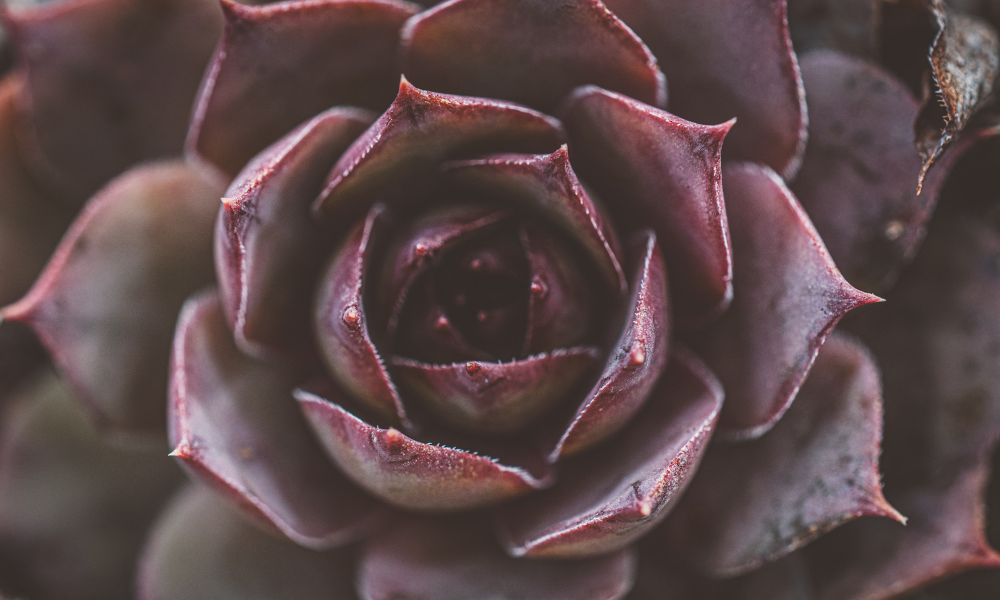
Houseleek is a fascinating succulent that naturally thrives in challenging environments, storing water within its leaves to withstand periods of drought.
Because of these unique survival mechanisms, houseleek has become a valued skincare ingredient, appreciated for both its hydrating properties and its naturally occurring antioxidant compounds.
Within skincare formulations, houseleek helps support skin comfort while complementing other botanical ingredients that contribute to a healthy-looking complexion.
Continue reading: Houseleek Benefits for Skin

Artichoke: An Unexpected Source of Antioxidants
Artichoke (Cynara scolymus) may be best known as a nutritious vegetable, but it's also an impressive botanical ingredient in skincare. Naturally rich in polyphenols, flavonoids, and other antioxidant compounds, artichoke extract has become increasingly popular in formulations designed to help support healthy-looking skin exposed to everyday environmental stressors.
In addition to its antioxidant profile, artichoke is valued for helping support the appearance of smoother, firmer-looking skin while contributing to overall skin vitality. Its naturally occurring botanical compounds make it a thoughtful addition to skincare routines focused on maintaining a radiant, resilient complexion.
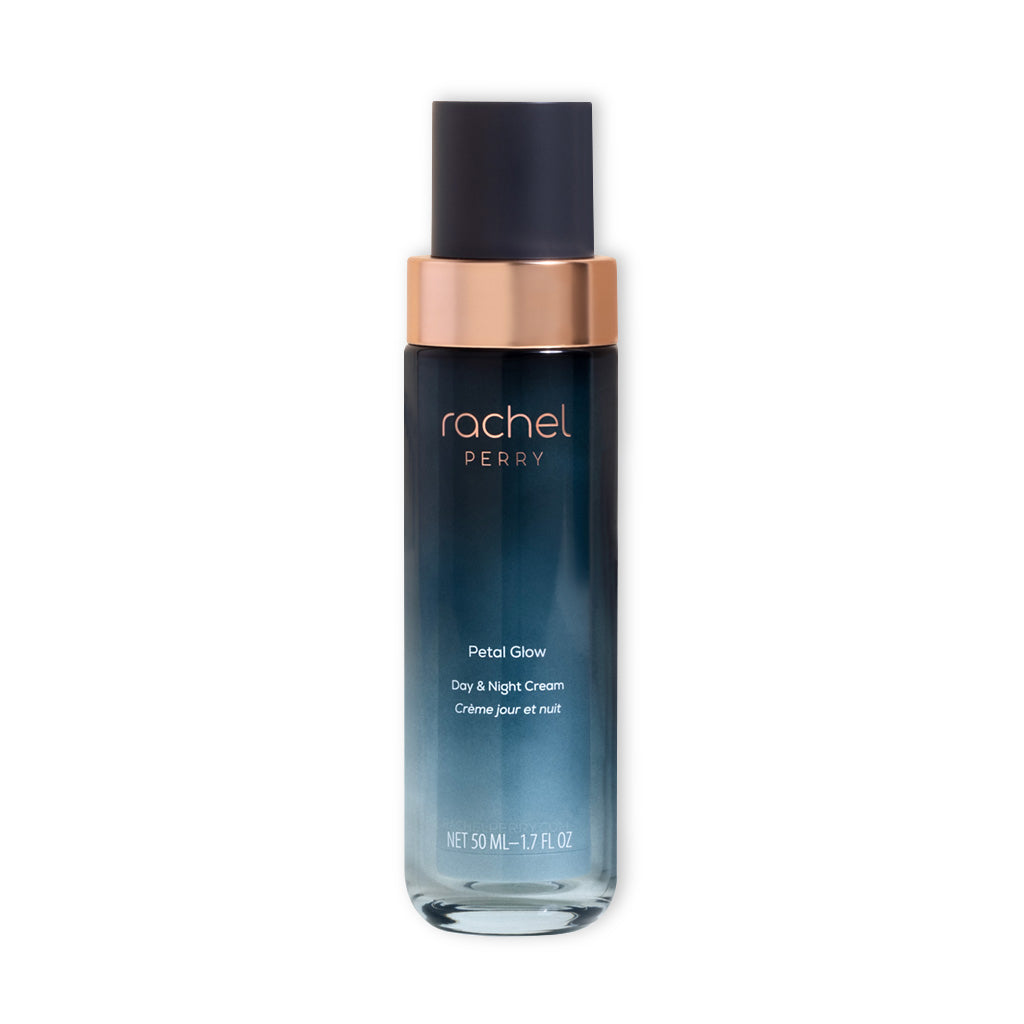
You'll find artichoke extract in Petal Glow Day & Night Moisturizer and Dew Drop Eye Treatment, where it complements other botanical ingredients in formulations designed to nourish and support the skin.

Caper Extract: Small Bud, Remarkable Potential
Caper extract is an emerging botanical ingredient that's attracting increasing attention in modern skincare.
Naturally rich in flavonoids and other antioxidant compounds, caper helps support the skin as it encounters daily environmental stress while complementing formulations designed to promote a brighter, more resilient-looking complexion.
Its growing popularity reflects a broader trend toward thoughtfully sourced botanicals that deliver multiple skin-supporting benefits within balanced formulations.
Botanical Antioxidants
| Botanical | Naturally Rich In | Supports |
|---|---|---|
| Pomegranate | Polyphenols | Healthy-looking skin and radiance |
| Bilberry | Anthocyanins | Antioxidant defense and gentle surface renewal |
| Holy Basil (Tulsi) | Phenolic compounds | Environmental resilience and skin comfort |
| Houseleek | Botanical antioxidants | Hydration and overall skin resilience |
| Artichoke | Polyphenols & flavonoids | Skin vitality and antioxidant support |
| Caper | Flavonoids | Daily antioxidant support and healthy-looking skin |
Can Skincare Really Protect Against Free Radicals?
The answer is nuanced.
No skincare product can completely prevent free radicals from forming—and it doesn't need to. Free radicals are a normal part of life and healthy cellular function. The goal of antioxidant skincare isn't to eliminate them, but to help support your skin's natural defenses against everyday environmental stressors.
What thoughtfully formulated skincare can do is help support your skin's natural defenses.
Antioxidant-rich ingredients work alongside your skin's own protective systems, while other elements of a healthy routine, such as cleansing, hydration, moisturization, and daily sun protection, help create an environment where skin can function at its best.
That's why dermatologists often recommend thinking about skincare as a routine rather than a collection of individual products. Consistent daily habits typically have a greater long-term impact than relying on any single ingredient alone.
Building an Antioxidant-Rich Skincare Routine
Supporting your skin against everyday environmental stress doesn't require an elaborate routine. Instead, focus on products that work together to cleanse, hydrate, nourish, and protect your skin consistently. A thoughtful routine built around hydration, antioxidant support, and daily sun protection can do far more than chasing the latest trending ingredient.
Morning
-
Cleanse with a gentle cleanser to remove overnight impurities while respecting your skin barrier.
-
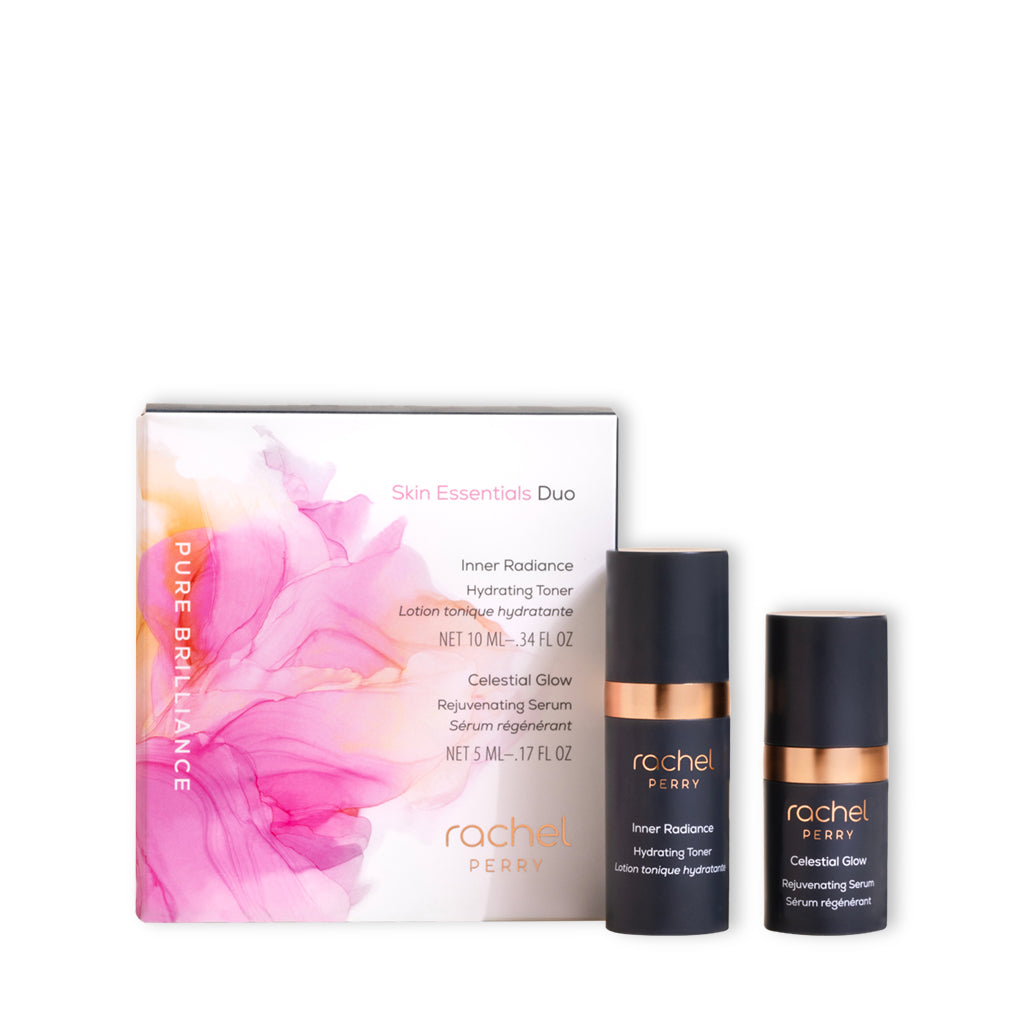
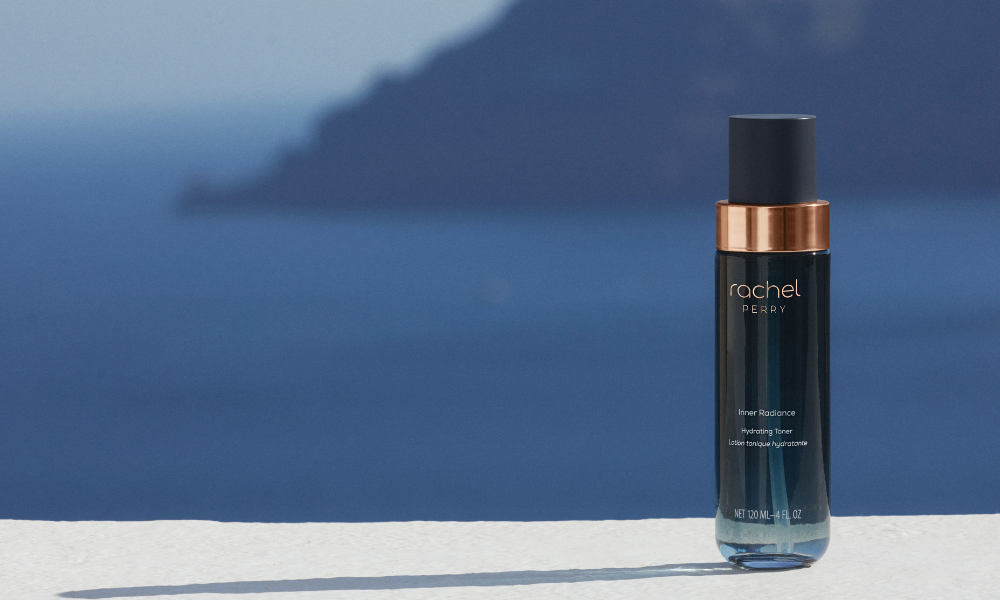
Hydrate with Inner Radiance Hydrating Toner, which combines botanical ingredients selected to support hydration, luminosity, and overall skin vitality.
-
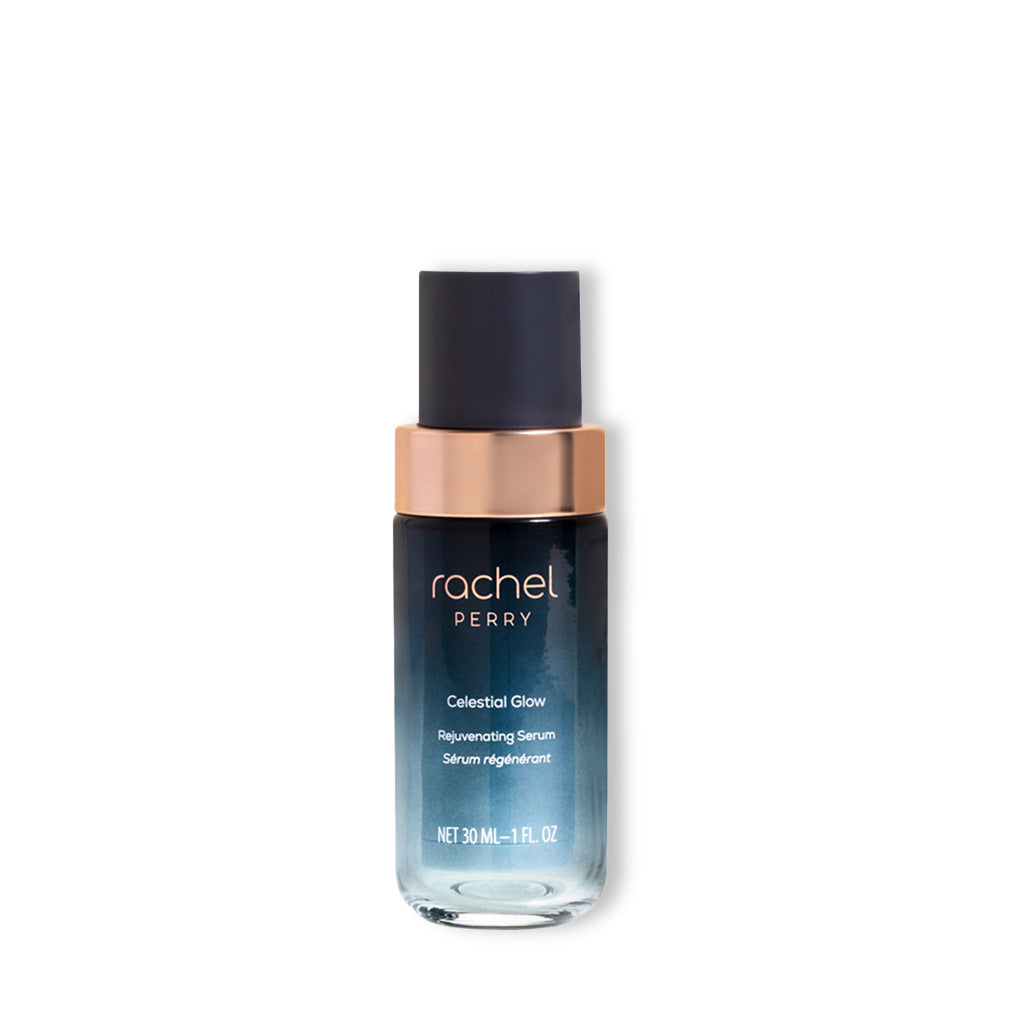
Nourish with Celestial Glow Rejuvenating Serum, featuring antioxidant-rich botanicals that help support healthy-looking skin as part of your daily routine.
-
Moisturize to help reinforce your skin barrier.
-
Finish with broad-spectrum sunscreen, one of the most important daily steps for protecting your skin from UV-induced free radicals.
Evening
-
Gently cleanse away sunscreen, makeup, and daily impurities.
-
Reapply Inner Radiance Hydrating Toner to replenish hydration.
-
Follow with Celestial Glow Rejuvenating Serum to help support overnight skin renewal.
-
Seal in moisture with your moisturizer.
-
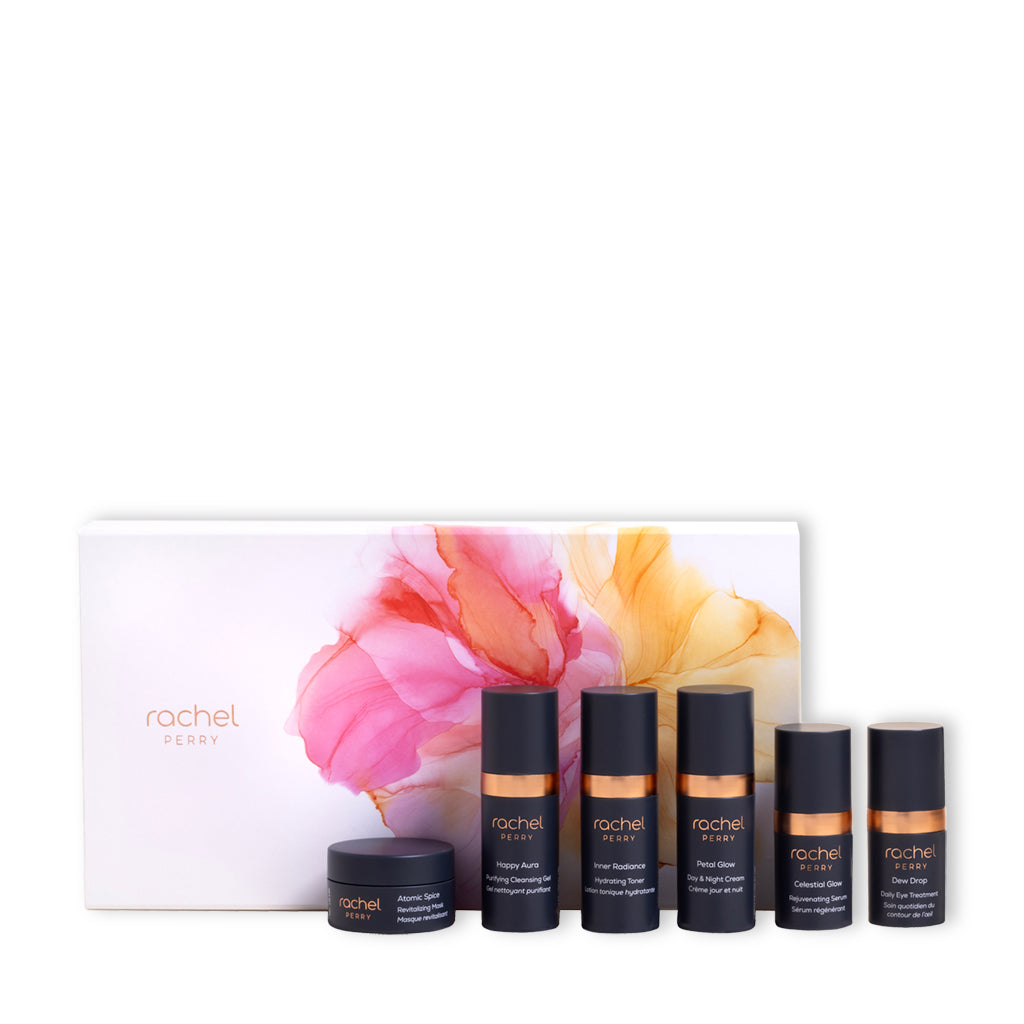
Once or twice a week, incorporate Atomic Spice Revitalizing Mask as a restorative treatment to leave skin feeling hydrated, refreshed, and revitalized.
Rather than chasing quick fixes, this kind of consistent routine helps create the conditions for healthier-looking skin over time.