How to Naturally Exfoliate Your Face Without Harsh Scrubs
Discover how botanical ingredients and fruit-derived AHAs can help gently exfoliate, smooth, and brighten your complexion—without relying on abrasive scrubs or over-exfoliating your skin.
Healthy Skin Doesn't Need to Be Scrubbed Raw
For years, exfoliation was synonymous with gritty face scrubs and the familiar feeling that your skin had to be scrubbed until it felt "squeaky clean." Many products promised smoother skin through coarse particles or strong acids, leading people to believe that the more intense the exfoliation, the better the results.
Today, our understanding of healthy skin has evolved.
Dermatologists and cosmetic scientists now recognize that over-exfoliation can compromise the skin barrier, increasing water loss and leaving skin feeling dry, tight, or more reactive. Rather than aggressively removing layers of skin, modern skincare focuses on supporting the skin's natural renewal process while protecting its delicate barrier.
That's where natural, botanical exfoliation comes in.
Instead of relying solely on abrasive scrubs, many modern formulas harness fruit-derived ingredients that help encourage gentle surface renewal while supporting hydration and antioxidant protection. When thoughtfully formulated, these ingredients can help skin appear smoother, brighter, and more radiant—without leaving it feeling stripped.
Whether you're new to exfoliation or looking for a gentler approach, understanding how natural exfoliants work can help you choose products that support your skin rather than overwhelm it.
What Is Exfoliation?
Your skin is constantly renewing itself. Approximately every four to six weeks, healthy skin naturally sheds older cells from the outermost layer of the epidermis and replaces them with new ones. This process—known as what is —helps maintain smooth, healthy-looking skin.
As we age, however, this renewal process gradually slows. Environmental stressors such as UV exposure, pollution, dry climates, and lifestyle factors can also contribute to the buildup of dead skin cells on the surface.
When these cells accumulate, skin may appear:
-
Dull or tired
-
Rough or uneven in texture
-
Less radiant
-
More prone to clogged pores
-
Less receptive to skincare products applied afterward
Exfoliation helps remove these surface cells, revealing fresher skin underneath while allowing moisturizers and serums to absorb more effectively.
The goal isn't to remove as much skin as possible—it's to support the skin's natural renewal cycle in a way that respects its barrier.

Why Gentle Exfoliation Matters
One of the biggest misconceptions about exfoliation is that if a little is good, more must be better.
In reality, healthy skin thrives on balance (as with most things in life 😊).
The outermost layer of skin—often called the skin barrier—plays a critical role in keeping moisture in while helping defend against environmental stressors, irritants, and pollutants.
When this barrier becomes compromised, you may notice:
-
Increased dryness
-
Tightness
-
Flaking
-
Sensitivity
-
Redness
-
Stinging after applying skincare
-
A complexion that suddenly feels "reactive"
Ironically, these symptoms are often mistaken as signs that skin needs more exfoliation, when the opposite may be true.
Gentle exfoliation supports skin renewal without unnecessarily disrupting this protective barrier. That's why many skincare professionals now recommend choosing products that combine exfoliating ingredients with hydrating and antioxidant-rich botanicals rather than relying on aggressive mechanical scrubbing alone.
The Three Main Types of Exfoliation
Not all exfoliants work the same way. Understanding the differences can help you choose an approach that aligns with your skin's needs.
| Type | How It Works | Ideal For |
|---|---|---|
| Physical | Uses gentle friction | Occasional smoothing |
| Chemical (AHAs/BHAs) | Loosens dead skin cells | Texture & radiance |
| Enzyme | Uses fruit enzymes | Sensitive skin |
Physical Exfoliation
Physical exfoliation removes dead skin cells through gentle friction.
Common examples include:
-
Sugar scrubs
-
Salt scrubs
-
Jojoba beads
-
Rice powder
-
Soft cleansing brushes
-
Washcloths
While some physical exfoliants can be effective when formulated well, products containing large, irregular particles may create excessive friction, especially when used too often or with heavy pressure.
For sensitive or dry skin—or anyone looking to protect their skin barrier—gentler approaches are often preferred.
Chemical Exfoliation
The term chemical exfoliation can sound intimidating, but it simply refers to ingredients that exfoliate by loosening the bonds between dead skin cells rather than removing them through friction. Everything in skincare—from botanical extracts to water—is made of chemicals, so the word "chemical" isn't a measure of whether an ingredient is natural, gentle, or effective.
Common examples include: Alpha Hydroxy Acids (AHAs)
-
Glycolic acid
-
Lactic acid
-
Mandelic acid
-
Citric acid
-
Malic acid
-
Tartaric acid
AHAs are particularly effective at improving surface texture and enhancing radiance because they work primarily on the outer layer of the skin.
Other chemical exfoliants, such as beta hydroxy acids (BHAs) and polyhydroxy acids (PHAs), offer different benefits depending on skin type and concerns.
Enzyme Exfoliation
Enzyme exfoliants rely on naturally occurring enzymes—often derived from fruits such as papaya or pineapple—to help dissolve proteins found in dead skin cells.
These are generally considered among the gentlest exfoliating options and are frequently found in masks and treatment products.
Because they don't rely on scrubbing, enzyme exfoliants can be a good option for many people with sensitive skin, although individual tolerance varies.

What Makes a Natural Exfoliant Different?
Natural exfoliation doesn't necessarily mean avoiding acids altogether.
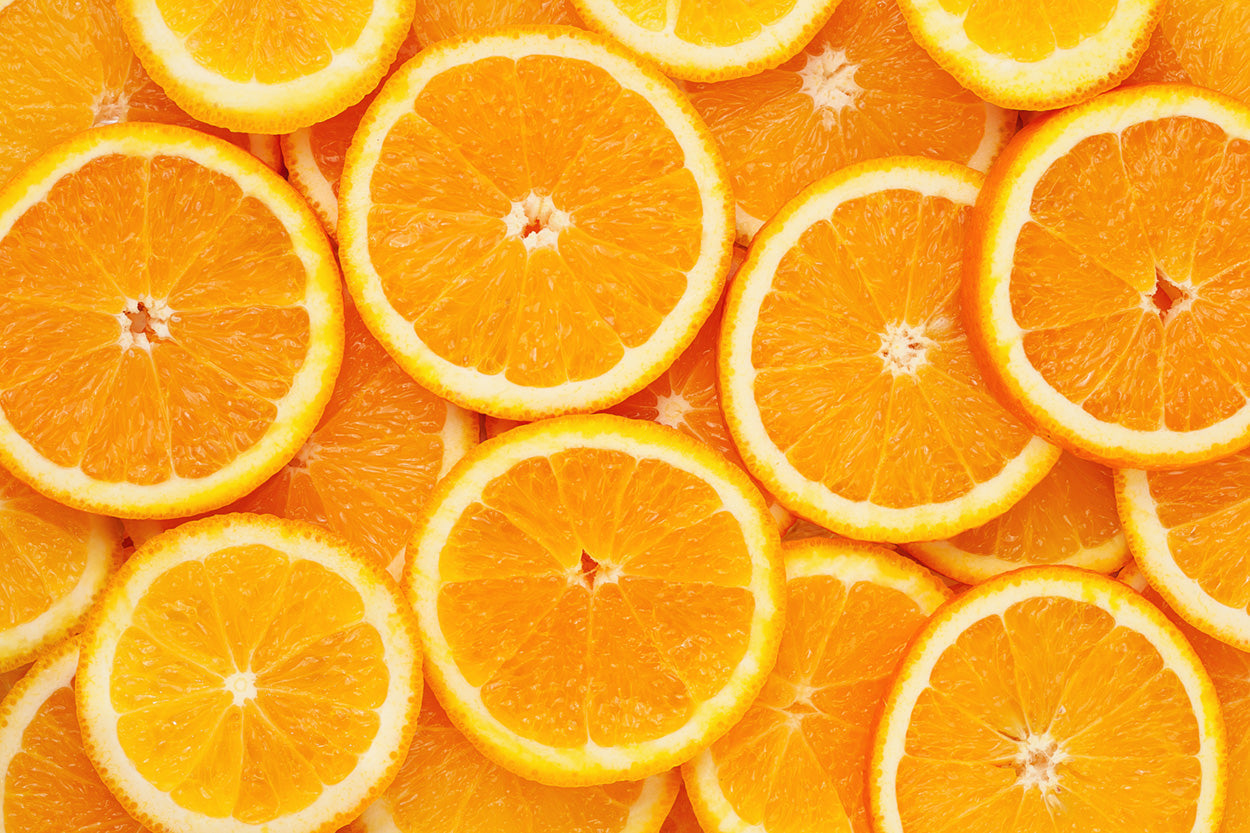
In fact, many fruits naturally contain alpha hydroxy acids (AHAs) along with antioxidants, vitamins, and polyphenols that have long been valued in skincare.
Examples include:
-
Bilberry
-
Sugar cane
-
Orange
-
Lemon
-
Sugar maple
Together, these botanicals provide naturally occurring fruit acids that help encourage gentle surface renewal while also delivering antioxidant support.
Rather than relying on a single concentrated acid, thoughtfully formulated botanical blends combine multiple plant extracts to create a more balanced approach to exfoliation.
This is one reason fruit-derived ingredients have become increasingly popular in modern clean beauty formulations—they offer multifunctional benefits, helping support smoother-looking skin while contributing antioxidant compounds that help defend against everyday environmental stressors.
Importantly, "natural" doesn't automatically mean "gentler," and "synthetic" doesn't automatically mean "harsh." The overall formulation—including ingredient concentration, pH, supporting ingredients, and how the product is intended to be used—plays a far greater role in how an exfoliant performs than whether an ingredient is plant-derived or lab-created.
Choosing a well-formulated product designed to respect the skin barrier is often more important than focusing on a single ingredient in isolation.
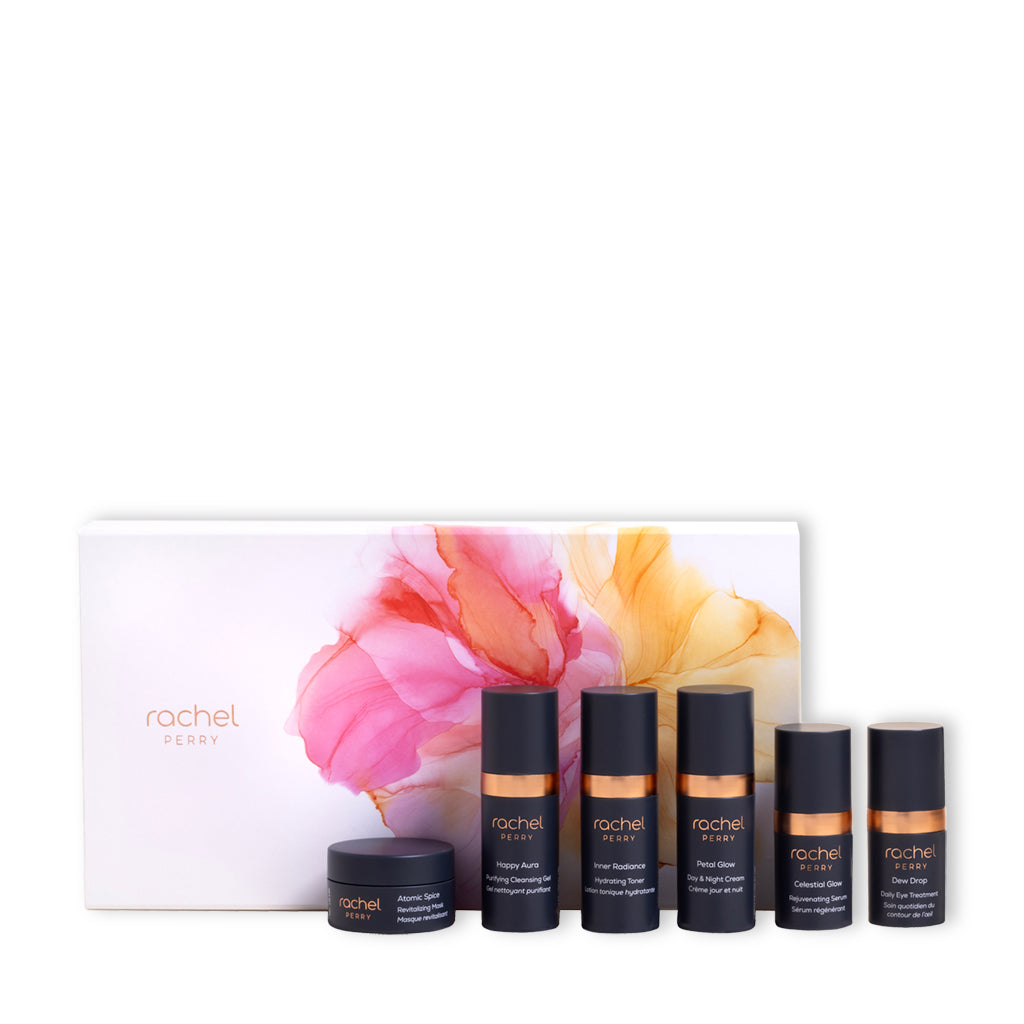
This philosophy is reflected in Rachel Perry's Happy Aura Purifying Gel Cleanser, which combines a thoughtfully selected blend of fruit-derived botanical extracts to help gently refresh the skin as part of your daily cleansing ritual. We'll take a closer look at how these ingredients work throughout the rest of the article.
Why Fruit-Derived AHAs Are Nature's Gentle Exfoliants
When people hear the term AHA, they often think of strong exfoliating treatments or intensive at-home peels. But long before alpha hydroxy acids became a staple in modern skincare, many of these compounds occurred naturally in fruits, plants, and fermented ingredients.
In nature, fruits contain a variety of organic acids that help support their growth and ripening. In skincare, these same acids have been studied for their ability to encourage gentle surface exfoliation, helping skin appear smoother, brighter, and more even over time.
What makes fruit-derived exfoliants particularly interesting isn't just the presence of these naturally occurring acids—it's that they often come packaged alongside antioxidants, vitamins, polyphenols, and other beneficial plant compounds. Rather than delivering a single exfoliating ingredient in isolation, botanical blends can provide a more multifaceted approach to skincare.
One example is a fruit complex that combines bilberry, sugar cane, orange, lemon, and sugar maple extracts. Together, these botanicals provide naturally occurring fruit acids that help encourage gentle surface renewal while supporting the skin's natural barrier and overall appearance.
Meet the Botanicals Behind Gentle Exfoliation
| Botanical | Key Compounds | Supports |
|---|---|---|
| Bilberry | Anthocyanins | Antioxidant defense |
| Sugar Cane | Glycolic Acid | Surface renewal |
| Orange | Flavonoids | Skin Radiance |
| Lemon | Citric Acid | Skin brightness & balanced pH |
| Sugar Maple | Malic & Tartaric Acids | Gentle skin renewal |

Bilberry Fruit Extract: An Antioxidant-Rich Botanical
Bilberry (Vaccinium myrtillus) is a small, dark blue berry closely related to the blueberry. It's especially valued for its high concentration of anthocyanins—the naturally occurring pigments responsible for its rich purple-blue color.
Anthocyanins are a class of powerful antioxidants that help protect plants from environmental stress. In skincare, antioxidants help defend the skin against free radicals generated by everyday environmental factors such as UV exposure and pollution. While antioxidants can't replace sunscreen, they can complement a well-rounded skincare routine by helping support healthier-looking skin.
Bilberry also naturally contains small amounts of fruit acids, making it a valuable contributor to botanical exfoliating blends.
Potential skincare benefits of bilberry include:
-
Helping support the skin's natural antioxidant defenses
-
Contributing to a brighter, more radiant-looking complexion
-
Supporting gentle surface exfoliation when combined with other fruit-derived AHAs
-
Helping improve the appearance of dull or tired-looking skin
Rather than acting as a powerful exfoliant on its own, bilberry's greatest contribution is its antioxidant profile, which complements exfoliating ingredients by helping support healthier-looking skin.

Sugar Cane Extract: Nature's Source of Glycolic Acid
Among naturally derived exfoliating ingredients, sugar cane (Saccharum officinarum) is particularly noteworthy because it is a natural source of glycolic acid, one of the most extensively studied alpha hydroxy acids in skincare.
Glycolic acid has one of the smallest molecular sizes of the AHAs, allowing it to effectively loosen the bonds between dead skin cells on the skin's surface. This process encourages old cells to shed more evenly, helping reveal smoother, fresher-looking skin underneath.
Research has shown that glycolic acid can help improve:
-
Skin texture
-
Surface roughness
-
Overall radiance
-
The appearance of uneven skin tone
The key difference is that in botanical fruit complexes, sugar cane extract isn't used in the same way as a high-strength glycolic acid peel. Instead, it contributes naturally occurring glycolic acid alongside other plant compounds, creating a gentler exfoliating experience suitable for use within a thoughtfully formulated cleanser.

Orange Fruit Extract: More Than Just Vitamin C
Orange fruit extract (Citrus aurantium dulcis) is often associated with vitamin C, but its skincare benefits extend beyond a single nutrient.
The fruit contains naturally occurring:
-
Flavonoids
-
Polyphenols
-
Organic acids
-
Antioxidant compounds
These molecules help defend the fruit itself from environmental stress—and in skincare formulations, they contribute antioxidant support while complementing exfoliating ingredients.
Orange fruit extract may help:
-
Enhance the appearance of skin radiance
-
Support a more even-looking complexion
-
Provide antioxidant protection against environmental stressors
-
Contribute naturally occurring fruit acids that support gentle exfoliation
Together with other fruit extracts, orange contributes antioxidant support that helps create a well-rounded botanical formulation.

Lemon Fruit Extract: A Natural Source of Citric Acid
Lemon (Citrus limon) has long been associated with bright, fresh skin, although it's important to separate DIY skincare myths from cosmetic science.
Applying raw lemon juice directly to the skin is not recommended, as it can cause irritation and increase sensitivity to sunlight. Cosmetic formulations, however, use carefully processed lemon fruit extracts at appropriate concentrations, allowing formulators to harness beneficial plant compounds while minimizing unnecessary irritation.
Lemon fruit extract naturally contains:
-
Citric acid
-
Flavonoids
-
Antioxidants
-
Various phytonutrients
In professionally formulated skincare, lemon extract contributes both naturally occurring citric acid and antioxidant compounds that support a refreshed, radiant-looking complexion.

Sugar Maple Extract: An Overlooked Botanical
Sugar maple (Acer saccharum) is perhaps the least familiar ingredient in many fruit complexes, yet it plays an important role.
Sugar maple naturally contains several fruit acids, including:
-
Malic acid
-
Tartaric acid
These organic acids contribute additional exfoliating properties while helping round out the overall fruit acid profile of the formulation.
Although less famous than glycolic acid, both malic and tartaric acids have long been used in cosmetic formulations for their ability to support gentle exfoliation and improve skin smoothness.
Sugar maple illustrates how thoughtful formulation often relies on multiple naturally occurring acids working together rather than a single hero ingredient.
The Fruit Acids Behind Botanical Exfoliation
One of the biggest misconceptions about fruit-derived skincare is that all fruit acids do the same thing. In reality, each acid has its own characteristics.
Glycolic Acid
Naturally found in sugar cane.
Known for:
-
Smoother-looking skin
-
Enhanced radiance
-
Improved surface texture
Because of its small molecular size, glycolic acid is particularly effective at promoting surface exfoliation.
Citric Acid
Naturally present in citrus fruits such as lemons and oranges.
Often used to:
-
Help maintain a formulation's pH
-
Support gentle exfoliation
-
Promote brighter-looking skin
Although citric acid is considered an alpha hydroxy acid, it is generally not used as aggressively as glycolic acid for exfoliation.
Malic Acid
Found naturally in apples and sugar maple.
Malic acid contributes gentle exfoliating properties while helping support smoother skin texture.
Because it has a larger molecular size than glycolic acid, it is often perceived as providing a milder exfoliating experience.
Tartaric Acid
Naturally present in grapes and sugar maple.
Tartaric acid is frequently used alongside other AHAs to help improve formulation performance and contribute to gentle surface renewal.
Why Botanical Blends Matter
Perhaps the biggest takeaway is this:
No single ingredient is responsible for healthy-looking skin.
The best skincare formulations are thoughtfully balanced systems in which ingredients work together.
A botanical fruit complex doesn't rely solely on glycolic acid or citric acid. Instead, it combines naturally occurring fruit acids with antioxidants, flavonoids, polyphenols, and other beneficial plant compounds that support the skin in complementary ways.
This holistic approach aligns beautifully with the philosophy behind many modern clean beauty formulations, where the goal isn't to use the strongest possible ingredient—but rather to create formulas that are both effective and enjoyable to use consistently.
As cosmetic chemists often point out, the success of a skincare product depends not only on which ingredients it contains, but also on how those ingredients are formulated together. Factors such as pH, concentration, ingredient compatibility, and the inclusion of hydrating and soothing components all influence how a product performs on the skin.
That's one reason it's often more meaningful to evaluate a finished formulation than to judge an ingredient in isolation.

Why Formulation Matters
Consumers often focus on individual ingredients, but experienced cosmetic chemists know that how ingredients are formulated together is just as important as the ingredients themselves.
A thoughtfully balanced formula considers factors such as pH, ingredient compatibility, stability, texture, and how each ingredient complements the others.
This philosophy has long been associated with French skincare, where elegant formulation is often valued over simply using the highest concentration of a trending ingredient. Rather than chasing extremes, the goal is to create products that are effective, enjoyable to use, and suitable for consistent daily routines.
Choosing a Natural Cleanser to Support Healthy-Looking Skin
A well-formulated cleanser does much more than remove makeup, sunscreen, and impurities. It should cleanse effectively while helping maintain the skin's natural moisture barrier, leaving your complexion feeling clean, comfortable, and balanced—not tight, dry, or stripped.
When choosing a cleanser, look beyond a single "hero ingredient." Instead, consider how the formula works as a whole. A thoughtfully formulated cleanser may include:
- Gentle cleansing agents that effectively remove impurities without over-stripping the skin.
- Botanical exfoliating ingredients that support gentle surface renewal rather than relying on abrasive scrubs.
- Hydrating ingredients that help maintain moisture balance after cleansing.
- Antioxidant-rich botanicals that help defend against everyday environmental stressors.
- A balanced formulation with an appropriate pH and complementary ingredients designed for consistent use.
This philosophy is reflected in Rachel Perry's Happy Aura Purifying Gel Cleanser. Developed in France, it combines a thoughtfully selected blend of botanical ingredients—including a fruit-derived AHA complex—to gently refresh the skin while helping support its natural moisture barrier. Because it's a rinse-off cleanser formulated for daily use, it offers a gentle approach to cleansing that complements the skin's natural renewal process rather than overwhelming it.
Ultimately, the best cleanser is one you'll enjoy using consistently. Healthy-looking skin is rarely the result of the strongest product on your shelf—it's the result of a balanced routine built around thoughtful formulation and daily care.

How Often Should You Exfoliate?
The answer depends less on a specific number and more on the type of exfoliating product you're using.
For example, a high-strength exfoliating serum or peel is very different from a gentle cleanser formulated with botanical exfoliating ingredients.
Some exfoliating products are designed to be used once or twice a week, while others are formulated to be incorporated into your daily routine.
Rather than following a one-size-fits-all schedule, consider:
-
The strength of the exfoliating ingredients
-
Whether the product is left on the skin or rinsed away
-
Your skin type and sensitivity
-
How your skin responds over time
A thoughtfully formulated cleanser that combines gentle botanical exfoliants with hydrating and soothing ingredients may be appropriate for daily use, while more intensive exfoliating treatments are generally used less frequently.
Always follow the directions provided for your specific product and adjust your routine if your skin becomes irritated or overly dry.
Signs You May Be Over-Exfoliating
Exfoliation should leave your skin feeling refreshed—not irritated.
If you notice any of the following, it may be a sign that your routine is too aggressive:
-
Persistent redness
-
Increased sensitivity
-
Tightness after cleansing
-
Stinging when applying skincare products
-
Dry, flaky patches
-
A shiny or overly smooth appearance that feels fragile rather than healthy
-
Breakouts that develop after introducing multiple exfoliating products
If this happens, consider simplifying your routine and allowing your skin barrier time to recover before reintroducing exfoliating products gradually.
Remember: healthy skin is balanced skin.
Natural Doesn't Always Mean Better—And "Chemical" Doesn't Mean Bad
The skincare industry often uses the words natural and chemical as though they're opposites. From a scientific perspective, that's simply not true.
Water is a chemical.
Vitamin C is a chemical.
The naturally occurring citric acid in a lemon is a chemical.
Rather than focusing on whether an ingredient is "natural" or "synthetic," it's more helpful to ask questions like:
-
Is the ingredient well researched?
-
Is it being used at an appropriate concentration?
-
Is the formulation designed to support the skin barrier?
-
Does it suit your skin type and goals?
Some naturally derived ingredients can be irritating if used improperly, while many lab-created ingredients have excellent safety profiles and decades of research behind them.
Likewise, not every botanical extract is inherently gentle, and not every acid is inherently harsh.
What matters most is the formulation as a whole.
Thoughtfully developed skincare combines carefully selected ingredients in concentrations that work together to deliver effective results while respecting the skin's natural balance.
This philosophy is at the heart of many modern French skincare formulations, where cosmetic chemists often prioritize elegant, balanced formulas over chasing trends or maximizing ingredient percentages.
Myth vs. Fact
| Common Myth | What the Science Says |
|---|---|
| You should feel your exfoliator working. | Effective exfoliation doesn't have to sting or feel abrasive. A thoughtfully formulated product can support gentle skin renewal while helping maintain your skin barrier. |
| The stronger the exfoliant, the better the results. | Consistency with a gentle, well-formulated routine often produces healthier-looking skin than aggressive exfoliation. |
| Natural skincare doesn't contain acids. | Many fruits naturally contain alpha hydroxy acids (AHAs), which have long been used in skincare to support gentle exfoliation. |
Frequently Asked Questions
What is the best natural exfoliator for your face?
The best natural exfoliator depends on your skin type and preferences. Many people enjoy botanical exfoliants that use fruit-derived AHAs because they help promote gentle surface renewal while often providing antioxidant benefits. A well-formulated cleanser or treatment should effectively exfoliate without leaving the skin feeling tight or stripped.
How can I naturally exfoliate my face?
You can naturally exfoliate your face by using skincare products formulated with botanical exfoliating ingredients, such as fruit-derived AHAs, or by incorporating gentle enzyme exfoliants into your routine. Avoid harsh scrubbing, which can create unnecessary friction and compromise the skin barrier.
Are fruit-derived AHAs the same as glycolic acid?
Not exactly. Glycolic acid is one type of alpha hydroxy acid, and it naturally occurs in sugar cane. Fruit-derived AHA blends often combine several botanical extracts that contribute a variety of naturally occurring acids—including glycolic, citric, malic, and tartaric acids—along with antioxidant-rich plant compounds.
Are natural exfoliants better for sensitive skin?
Not necessarily. Some botanical ingredients can still be irritating depending on the formulation and your individual skin. Rather than focusing solely on whether an ingredient is natural, look for products that are thoughtfully formulated for your skin type and use them according to the manufacturer's directions.
Can you exfoliate every day?
Some gentle cleansers formulated with mild exfoliating ingredients may be suitable for daily use, while stronger exfoliating treatments are generally intended for less frequent application. Always follow the product's directions and adjust your routine based on how your skin responds.
What do AHAs do for your skin?
Alpha hydroxy acids help loosen the bonds between dead skin cells, encouraging them to shed more evenly. This can help improve skin texture, enhance radiance, and promote a smoother-looking complexion.
What is the difference between physical and chemical exfoliation?
Physical exfoliation uses gentle friction to remove dead skin cells, while chemical exfoliation relies on ingredients such as AHAs or BHAs to loosen the bonds between those cells. Neither method is inherently better—the best choice depends on your skin type, the product's formulation, and how it's used.
Is exfoliation necessary for everyone?
Not always. While many people benefit from gentle exfoliation, those with certain skin conditions or highly reactive skin may need to approach exfoliation cautiously. If you're unsure, consult a board-certified dermatologist for personalized guidance.
The Takeaway
Exfoliation isn't about removing as much skin as possible—it's about supporting your skin's natural renewal process.
Healthy skin doesn't need aggressive scrubbing or harsh treatments. Instead, a thoughtful approach that respects your skin barrier can help maintain a smoother, brighter, and more balanced complexion over time.
Botanical ingredients such as bilberry, sugar cane, orange, lemon, and sugar maple demonstrate how nature and cosmetic science can work together. By combining naturally occurring fruit acids with antioxidant-rich plant compounds, thoughtfully formulated products can help refresh and smooth the skin while supporting its overall health and appearance.
Whether you're new to exfoliation or simply looking to refine your routine, choosing products that prioritize balance over intensity can help your skin look and feel its best over time.
If you're interested in exploring this approach further, discover Rachel Perry's Happy Aura Purifying Gel Cleanser and learn more about the brand's collection of French-formulated, botanical skincare—created with clean ingredients, thoughtful formulation, and sustainability in mind.