How Stress Accelerates Skin Aging: Understanding Inflammaging & How to Protect Your Skin
Modern life asks a lot of us. Urgency culture, busy schedules, emotional stress, environmental exposure, and constant stimulation all place pressure on the body — and (unfortunately) the skin often reflects that strain first. Fine lines appear sooner, skin looks dull or reactive, and chronic sensitivity becomes harder to calm.
At the center of this process is a biological phenomenon known as inflammaging — a term that helps explain how stress and inflammation quietly accelerate skin aging over time.
Understanding how stress affects the skin, and how to support it, is key to maintaining a healthy, resilient complexion at every stage of life.
How Are Stress and Aging Connected?
When the body experiences stress, it releases cortisol, a hormone designed to help us respond to immediate threats. While short bursts of cortisol are normal, chronic stress leads to persistently elevated cortisol levels, which can negatively affect the skin.
Over time, excess cortisol can:
- Break down collagen and elastin
- Weaken the skin barrier
- Increase inflammation
- Slow skin repair and regeneration
- Trigger sensitivity, redness, and flare-ups
In other words, prolonged stress doesn’t just affect how you feel, it changes how your skin functions.
What Is Inflammaging?
According to Harvard Medical School, inflammaging is a term used to describe low-grade, chronic inflammation that increases with age and contributes to the aging process. Unlike acute inflammation (such as a cut healing), inflammaging is subtle and ongoing — often unnoticed until it manifests as premature aging.
In the skin, inflammaging is driven by a combination of:
- Internal stressors (like cortisol and oxidative stress)
- External aggressors (UV radiation, pollution)
- Natural biological changes over time
This constant inflammatory state disrupts the skin’s ability to repair itself, making it more vulnerable to damage and visible aging.
How Stress Accelerates Skin Aging (Inflammaging)
Stress doesn’t just trigger inflammation — it amplifies it.
Elevated cortisol levels:
- Increase oxidative stress (free radical damage)
- Impair the skin barrier’s ability to retain moisture
- Reduce collagen production
- Slow cellular turnover
As a result, skin affected by inflammaging may appear:
- Dull or uneven
- More reactive or sensitive
- Less firm and elastic
- Dehydrated despite proper moisturizing
- Prone to redness, irritation, or breakouts
Over time, this leads to accelerated aging and compromised skin health.
Causes of Inflammaging
Inflammaging develops through a combination of external and internal factors that accumulate over time.
External Contributors
- UV radiation – the primary driver of premature skin aging
- Environmental pollution – increases oxidative stress and inflammation
- Climate extremes – Climate extremes accelerate skin aging, known as "thermal aging" in heat and dehydration in cold, by causing structural protein degradation and impairing the skin's protective barrier. High temperatures and UV radiation destroy collagen and elastin, causing wrinkles and sagging. Meanwhile, cold, dry climates create a, brittle, and irritated barrier.

Internal Contributors
- Chronic stress and high cortisol levels
- Poor diet, especially high sugar and ultra-processed foods
- Lack of sleep
- Natural biological aging, including slower cell turnover and repair
Together, these factors create an inflammatory environment that weakens the skin’s defenses.
Skin Changes Caused by Inflammaging
When inflammation becomes chronic, the skin begins to change in noticeable ways:
- Increased fine lines and wrinkles
- Loss of firmness and elasticity
- Uneven tone and texture
- Persistent redness or sensitivity
- Slower healing and recovery
- Weakened skin barrier
Addressing these changes requires both lifestyle support and intentional skincare.
Combatting Stress-Induced Aging from Within
Healthy skin begins with supporting the body as a whole. Reducing internal stress helps lower cortisol and inflammation, allowing the skin to function optimally.
Key Lifestyle Practices
- Prioritize sleep to allow cellular repair
- Eat a nutrient-rich diet with antioxidants and healthy fats
- Move regularly to reduce stress hormones
- Practice mindfulness or meditation to regulate cortisol
- Protect against environmental stressors (sun, pollution)
These habits don’t just benefit overall health — they directly influence skin aging.

How to Slow Aging with Skincare
While lifestyle changes are foundational, skincare plays a critical role in protecting the skin from daily inflammatory stress.
Focus on Antioxidants
Antioxidants neutralize free radicals generated by stress, UV exposure, and pollution — helping to slow inflammaging at the cellular level.
Antioxidant-rich botanicals found in Rachel Perry formulations include:
- Pomegranate seed extract — helps protect against oxidative stress and supports cellular renewal
- Vitamin C — combats skin aging by neutralizing free radicals from UV rays and pollution, reducing oxidative stress
- Artichoke extract — fights free radicals, supports barrier function, improves skin elasticity, and helps refine skin texture
- Houseleek extract — acts as a potent antioxidant for skin aging by neutralizing free radicals, reducing oxidative stress, and preventing moisture loss
- Holy basil (tulsi) — an adaptogenic botanical that helps calm stress-related skin responses, defends the skin from pollution and UV rays, combats oxidative stress that causes fine lines and wrinkles
- Caper extract (derived from Capparis spinosa) — is a potent antioxidant-rich ingredient used in skincare for its anti-aging, anti-inflammatory, and hydrating properties
Support the Skin Barrier
A strong skin barrier is essential for preventing moisture loss and reducing inflammation. Gentle, nourishing formulas help the skin maintain balance without stripping its natural defenses.
Keep the Routine Simple
Overloading the skin with harsh actives can worsen inflammation. A simple, natural skincare routine focused on hydration, barrier support, and antioxidant protection is often more effective long-term.
Antioxidant Skincare Routine to Help Protect Against Inflammaging
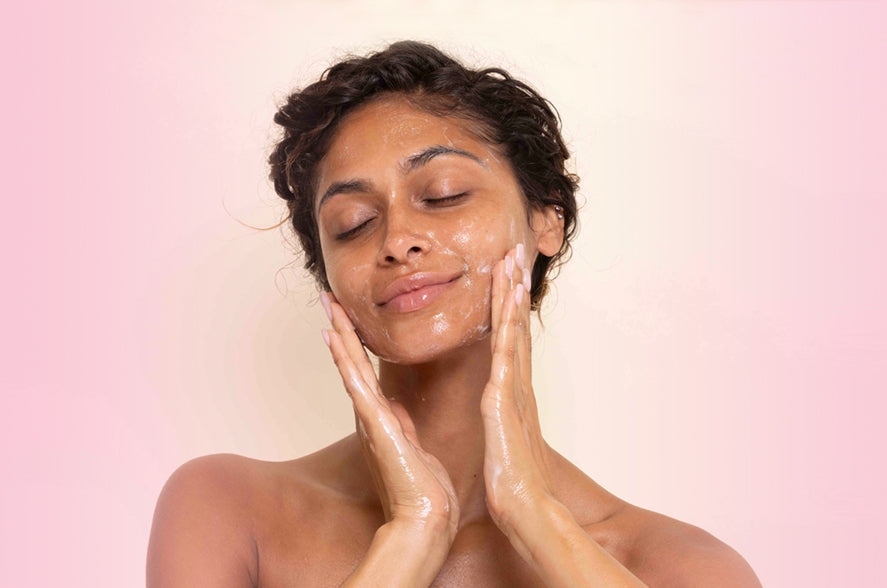
Step 1: Gentle, Non-Stripping Cleanse (or Double Cleanse)
Start with a cleanser that removes impurities without compromising the skin barrier. Gentle cleansing is essential for minimizing inflammation, as harsh surfactants can disrupt barrier function and increase sensitivity.
For those exposed to heavy sunscreen, makeup, or urban pollution, double cleansing can be beneficial. This approach begins with a nourishing oil cleanser to dissolve buildup, followed by a gentle water-based cleanse if needed. The key is choosing formulas that cleanse effectively without stripping the skin of its natural lipids.
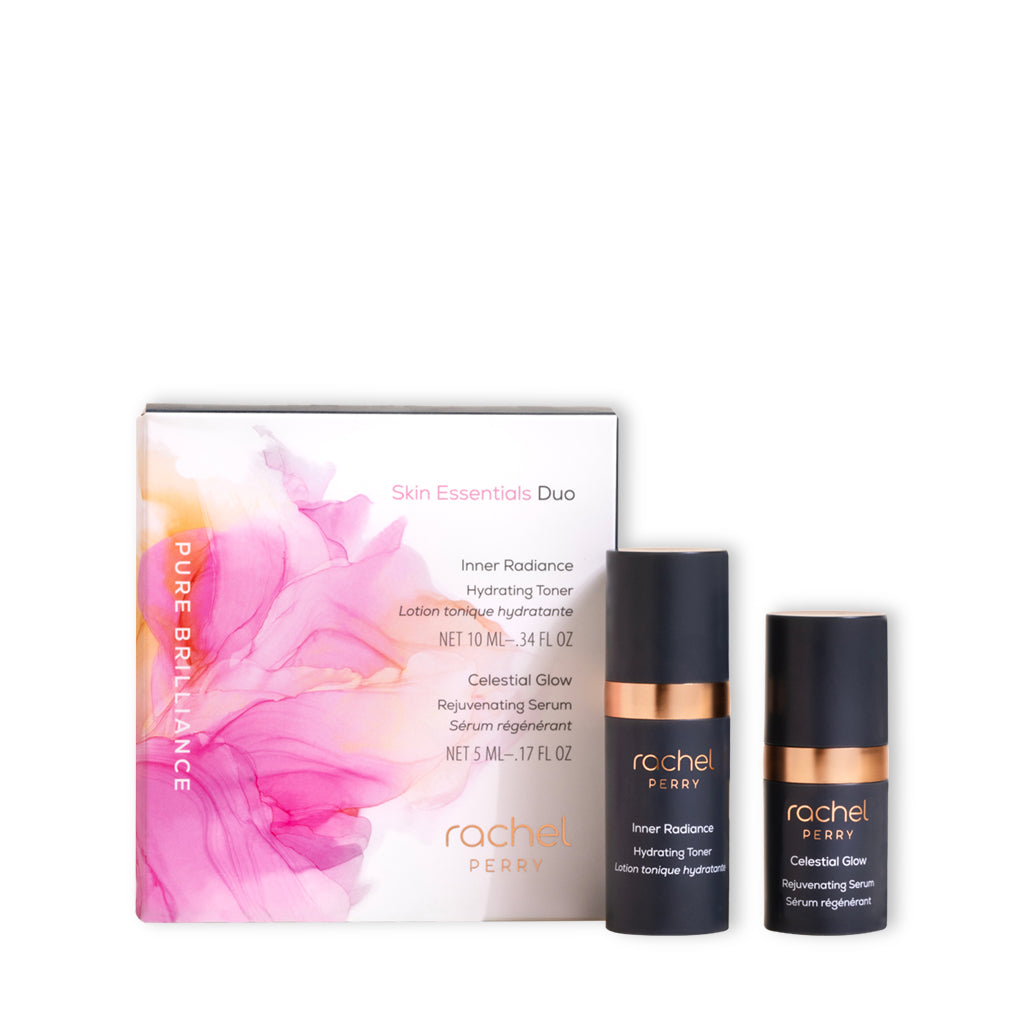
Step 2: Hydrating, Calming Toner
A hydrating toner or essence replenishes moisture after cleansing and helps calm stressed skin. Look for ingredients that support barrier repair and provide lightweight antioxidant protection.
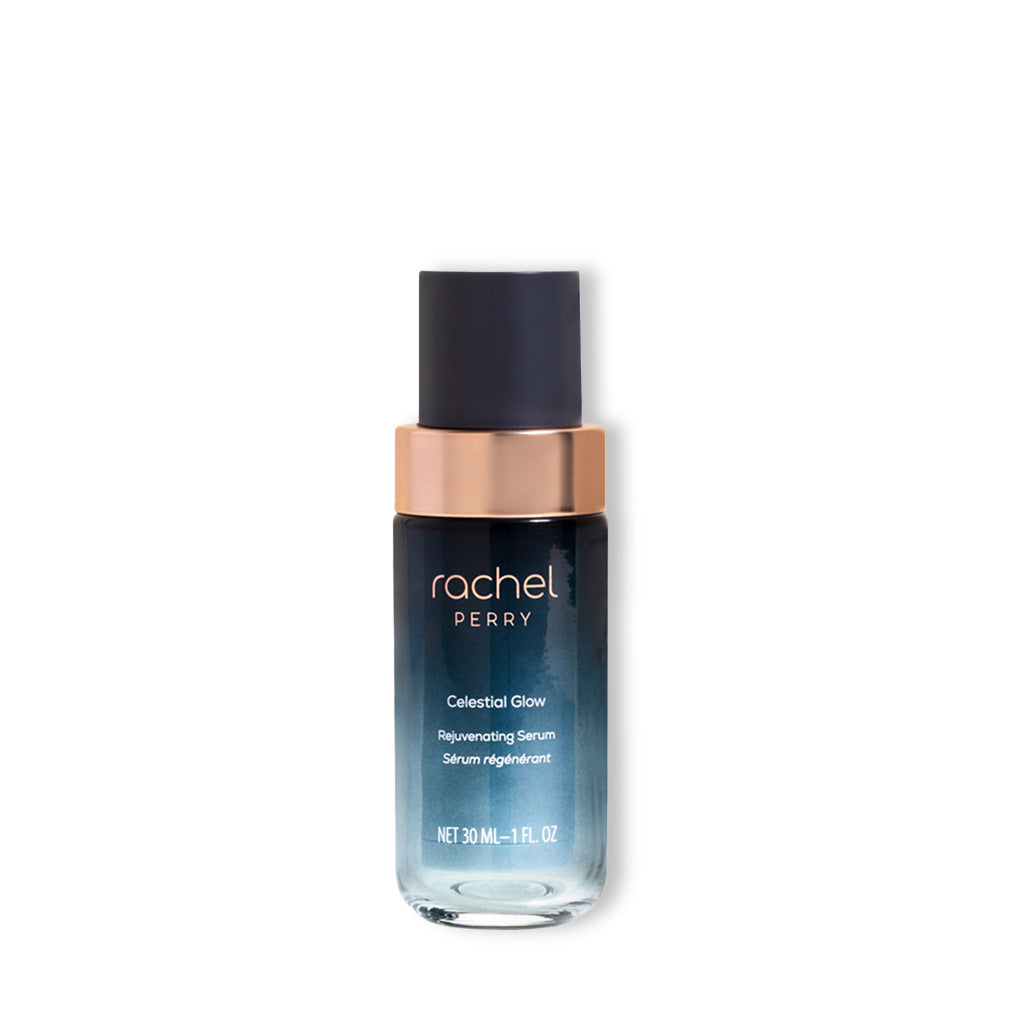
Step 3: Antioxidant Serum
This is where targeted protection happens. Antioxidant-rich serums help defend against oxidative stress, support cellular renewal, and protect collagen integrity.
Ingredients such as pomegranate seed extract, houseleek extract, artichoke extract, and holy basil help neutralize free radicals while soothing inflammation.
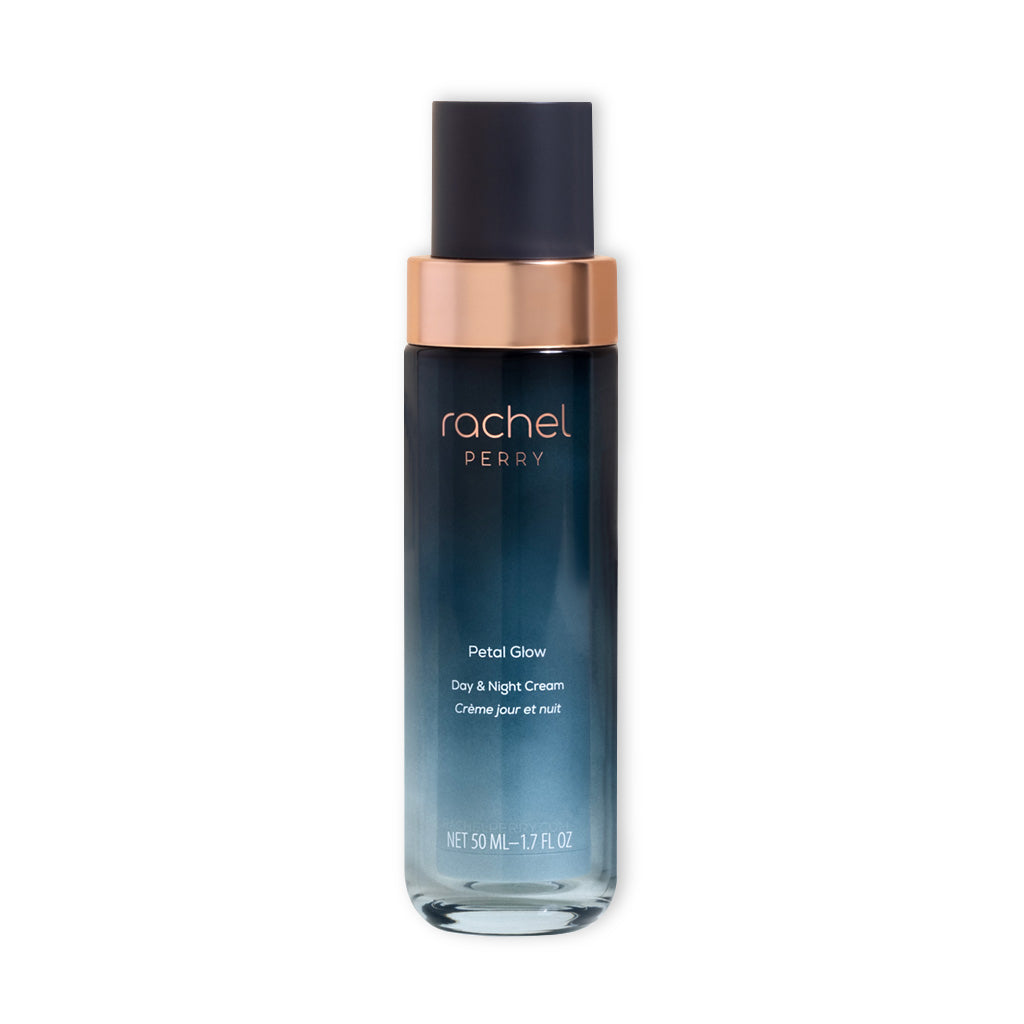
Step 4: Barrier-Supporting Moisturizer
Seal in hydration with a nourishing moisturizer that reinforces the skin barrier. A healthy barrier helps reduce inflammation, prevent moisture loss, and protect against environmental stressors.
Step 5: Daily Sun Protection
Daily sunscreen is essential in preventing UV-induced inflammation, one of the primary drivers of inflammaging.
A More Intentional Approach to Skin Aging
Inflammaging reminds us that aging is not driven by time alone — it’s influenced by stress, environment, and how we care for ourselves daily.
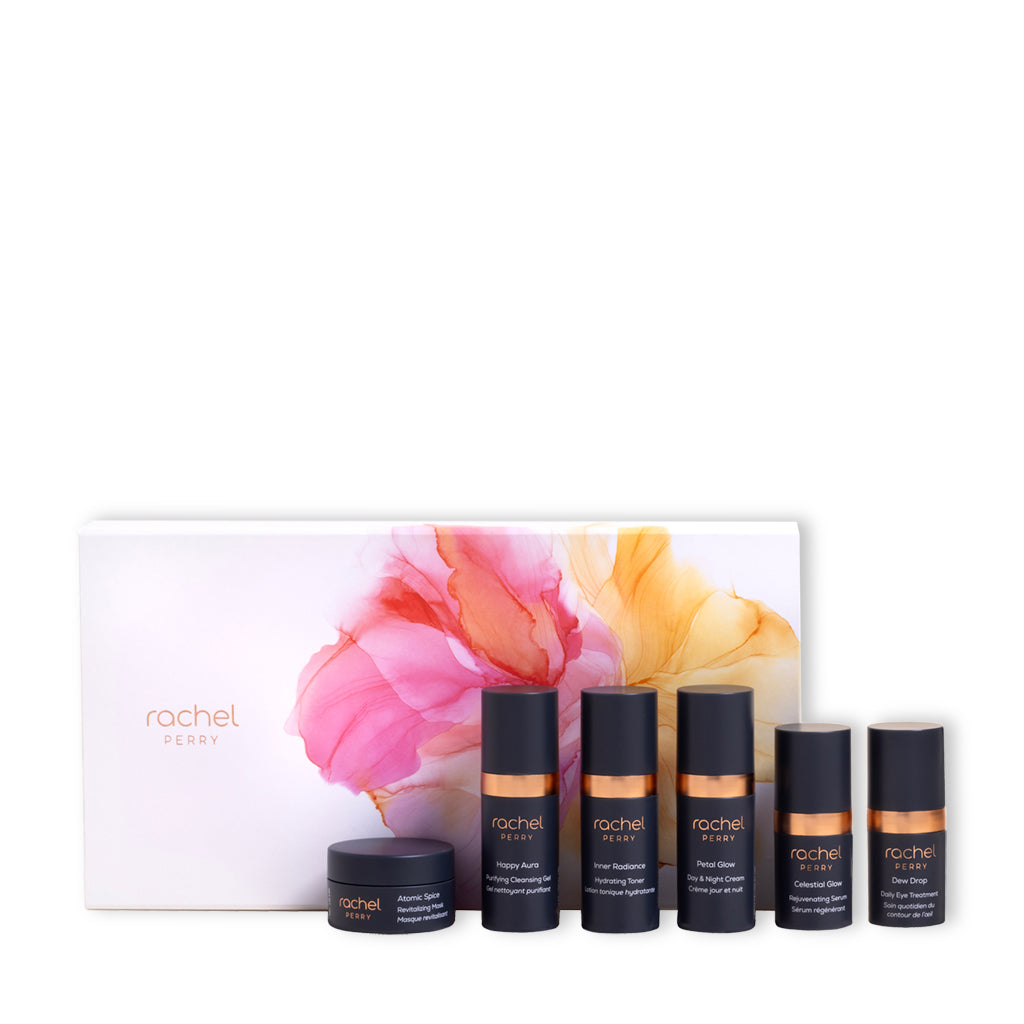
At Rachel Perry, our approach to skincare reflects this understanding. Our clean, French-formulated skincare collection is designed to work in harmony with the skin, combining plant-powered actives, clinically backed performance, and responsible sourcing to support skin balance and resilience over time.
Supporting your skin through stress begins with intention — from lifestyle choices to the formulas you trust daily. Explore skincare designed to work in harmony with your skin and protect against everyday inflammatory stressors.